KitGuru KitGuru.net – Tech News | Hardware News | Hardware Reviews | IOS | Mobile | Gaming | Graphics Cards


Last year, Google's ChromeOS developers began working to implement a dual-boot option to allow Chromebooks to run Windows in addition to the native operating system. News on this upcoming feature first popped up in April 2018 but things went very quiet in the months following. Now, the ‘Alt OS' mode for Chromebooks has reportedly been scrapped, mainly due to storage requirements.
Alt OS, or Project Campfire, was a similar idea to Bootcamp on macOS. The idea being that users could use a program on ChromeOS to set up a drive partition and install Windows as a secondary operating system. Apparently, this feature was working and close to being ready, but was ultimately scrapped.
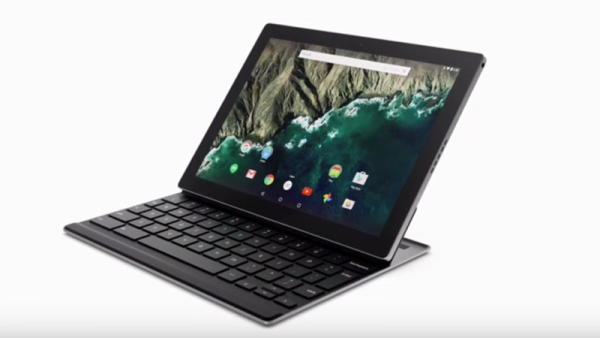
As The Verge reports, the Alt OS mode was killed off due to the amount of storage necessary to do it. Putting Windows 10 on to a Chromebook would have apparently demanded 40GB of space, if not more. That number would have grown in the future, as Microsoft recently announced that the next Windows 10 feature update would increase the OS storage requirement.
Chromebooks are generally focused on getting being thin, light and pushing people towards cloud storage services, like Google Drive. As a result, a good percentage of Chromebooks tend to ship with less than 40GB of storage space natively, with options for external drive expansion. With that in mind, dualbooting Windows 10 would not have been a possibility for a good percentage of Chromebooks, it just seems odd that nobody figured that problem out earlier.
KitGuru Says: It looks like Alt OS is being put to rest for now, in the meantime though, Google has been working on Fuchsia, a brand new OS that could end up replacing ChromeOS and Android eventually.