 KitGuru KitGuru.net – Tech News | Hardware News | Hardware Reviews | IOS | Mobile | Gaming | Graphics Cards


The fourth aftermarket GTX 1070 Ti card to come through our labs, the Zotac AMP Extreme is undoubtedly the biggest and is definitely deserving of its ‘extreme' moniker. However, size isn't everything – even though the giant heatsink may suggest cooling performance will be excellent, we do need to put that to the test. Then there is pricing to consider, as at £479, the AMP Extreme is sitting right in GTX 1080 territory. So, is this card a must have or is it best avoiding? Let's find out.
Last time around, we reviewed the ASUS ROG Strix GTX 1070 Ti and although that card is not small, measuring 298mm x 134 x 40mm, it is absolutely dwarfed by the Zotac GTX 1070 Ti AMP Extreme – measuring 325mm x 148mm x 56.6mm.
I think it is safe to say this is not a card for Mini-ITX system builders. With a distinctive design, too, you are unlikely to forget the Zotac card any time soon, so without any more fuss, let's jump right to it.
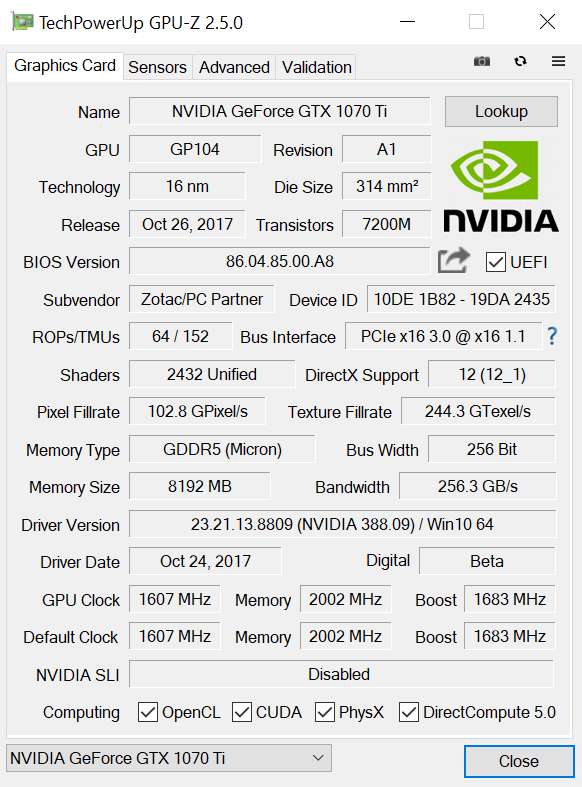
| GPU | Geforce GTX 1070 Ti | Geforce GTX 1080 | Geforce GTX 1070 |
| CUDA Cores | 2432 | 2560 | 1920 |
| Base Clock | 1607 MHz | 1607 MHz | 1506 MHz |
| GPU Boost Clock | 1683 MHz | 1733 MHz | 1683 MHz |
| Total Video memory | 8GB GDDR5 | 8GB GDDR5X | 8GB GDDR5 |
| Memory Clock | 4004 MHz | 5005 MHz | 4006 MHz |
| Memory Bandwidth | 256GB/s | 320GB/s | 256GB/s |
| Bus Width | 256 | 256bit | 256 bit |
| ROPs | 64 | 64 | 64 |
| Manufacturing Process | 16nm | 16nm | 16nm |
| TDP | 180 Watts | 180 Watts | 150 Watts |
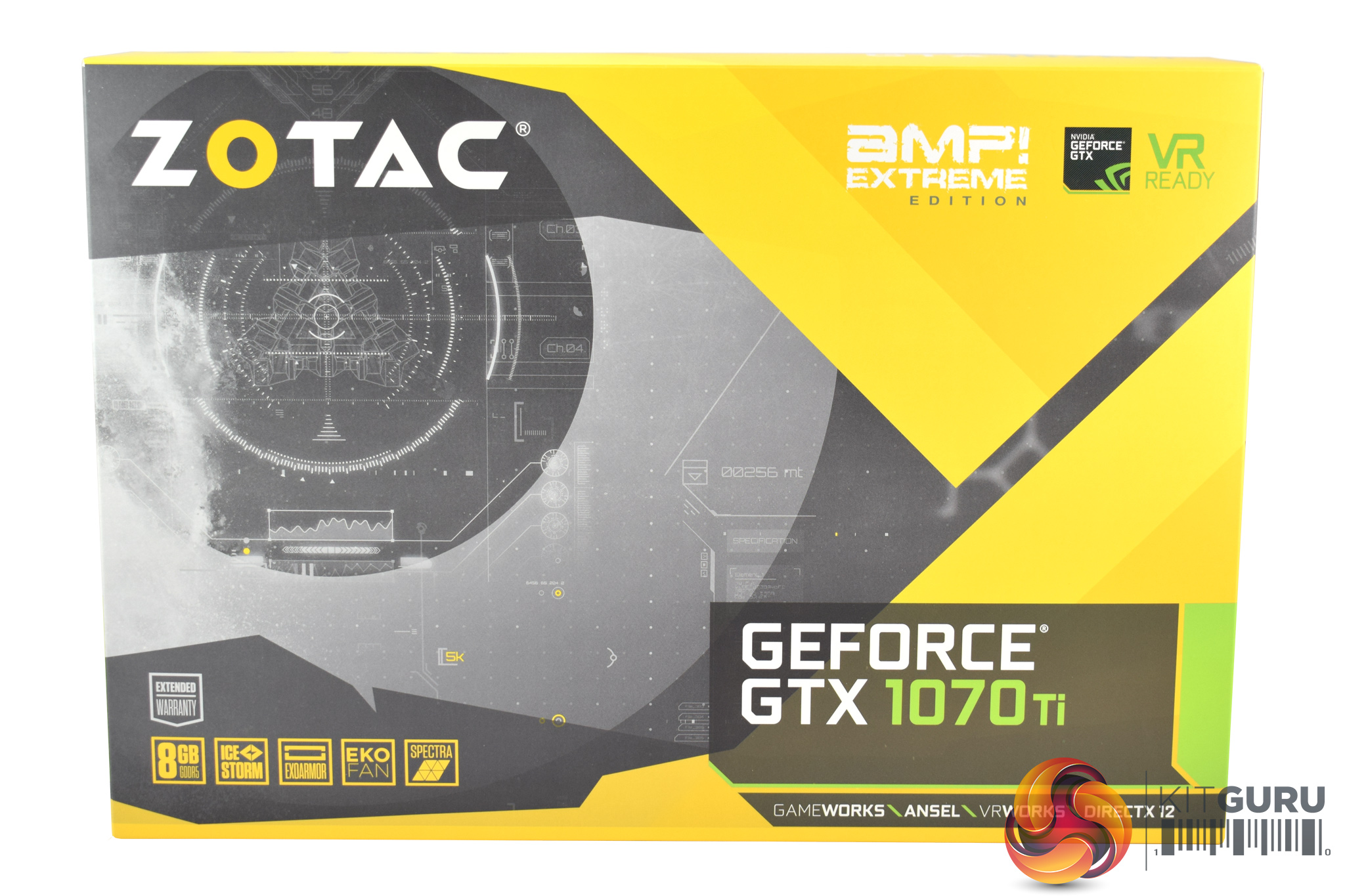
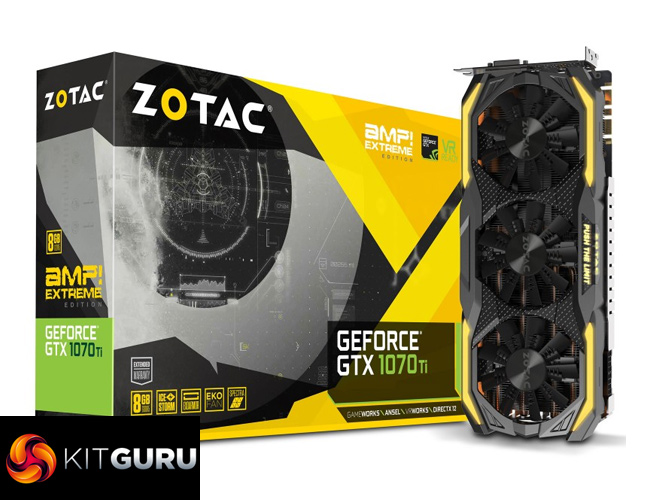
The Zotac GTX 1070 Ti AMP Extreme ships in an unmissable bright yellow box – it definitely stands out from the swathes of black product boxes we get into the KitGuru labs.
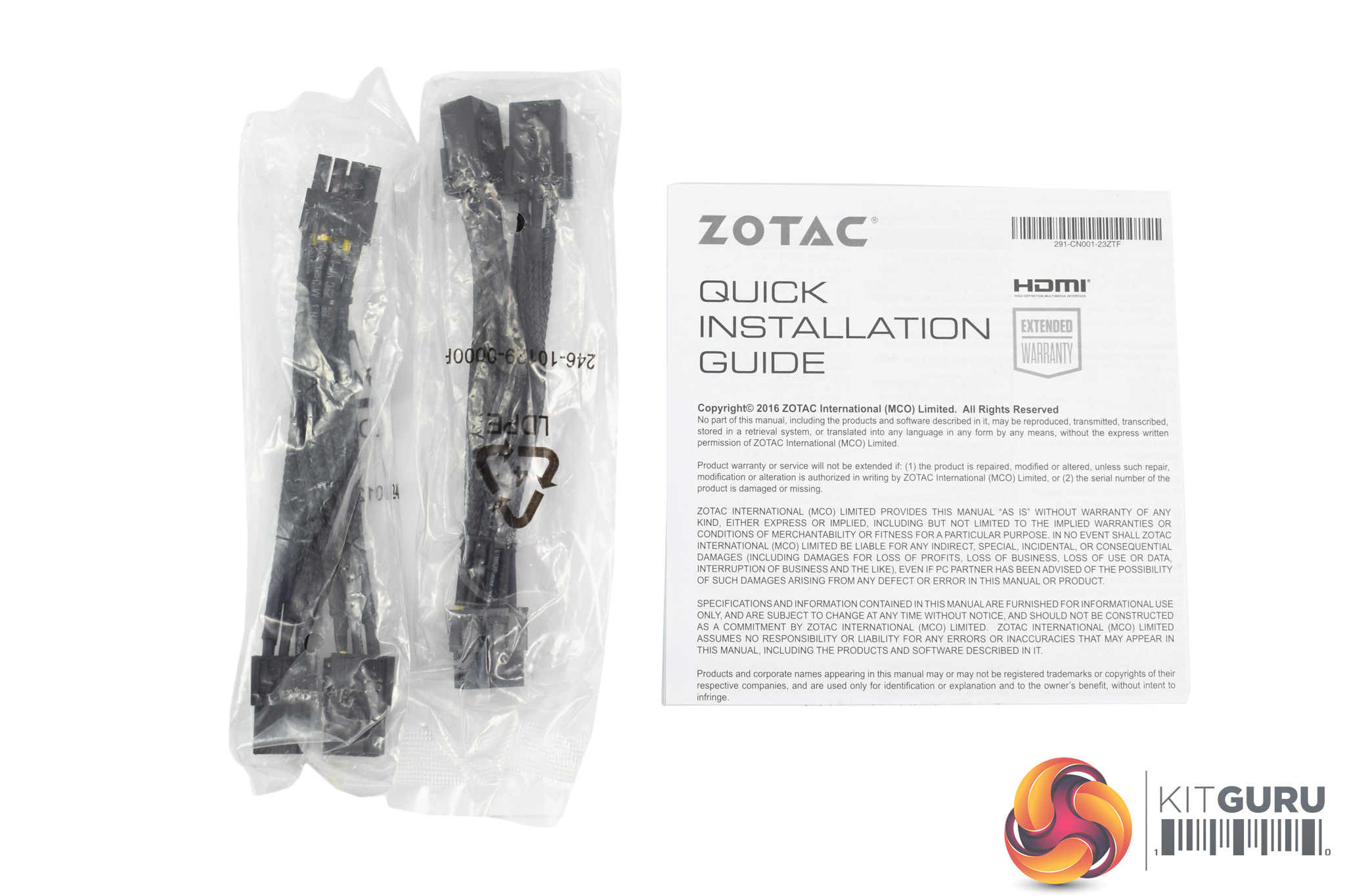
Inside, the only accessories are two 2x 6-pin to 1x 8-pin PCIe power adaptors, and one quick installation guide.
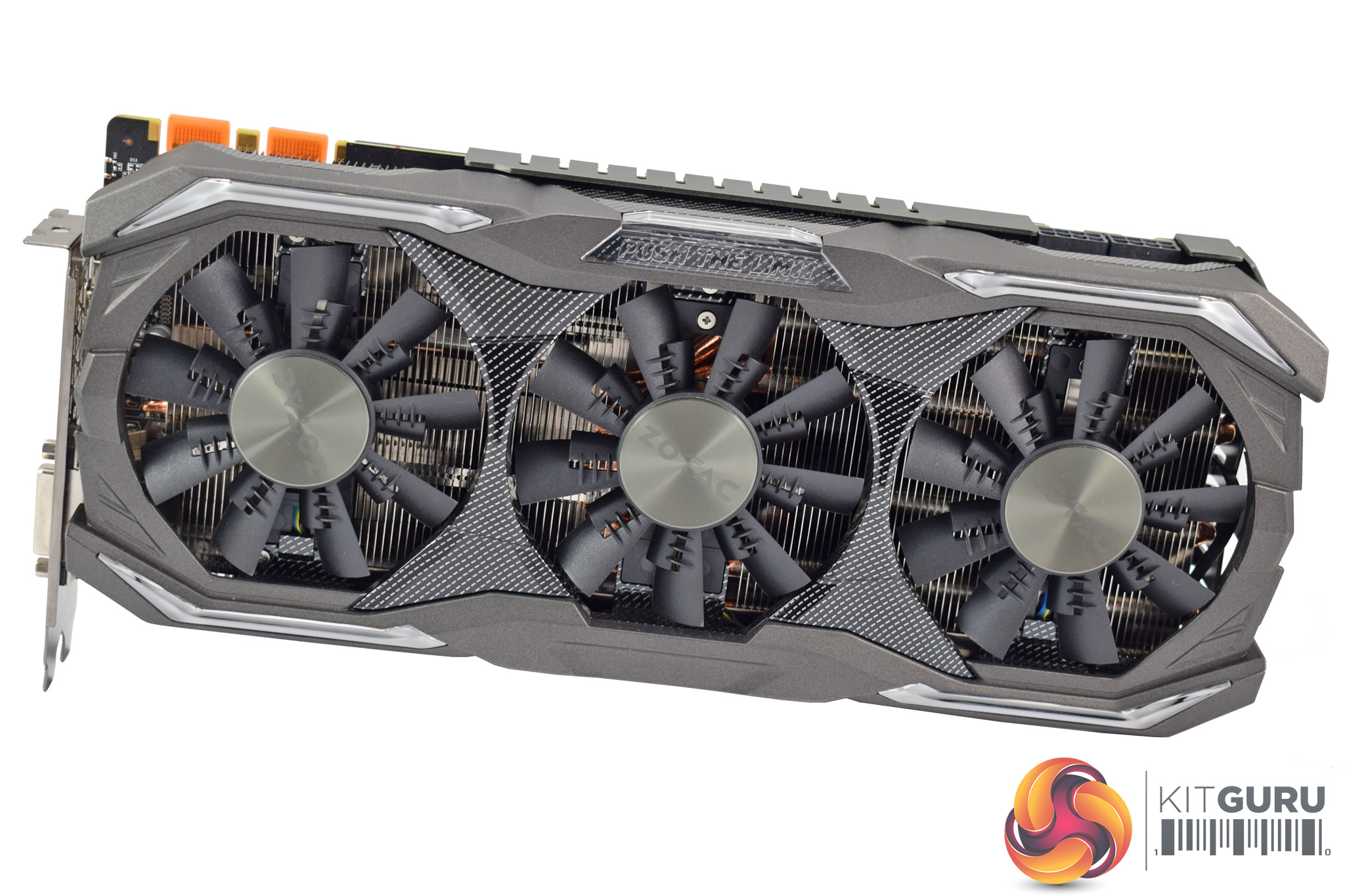
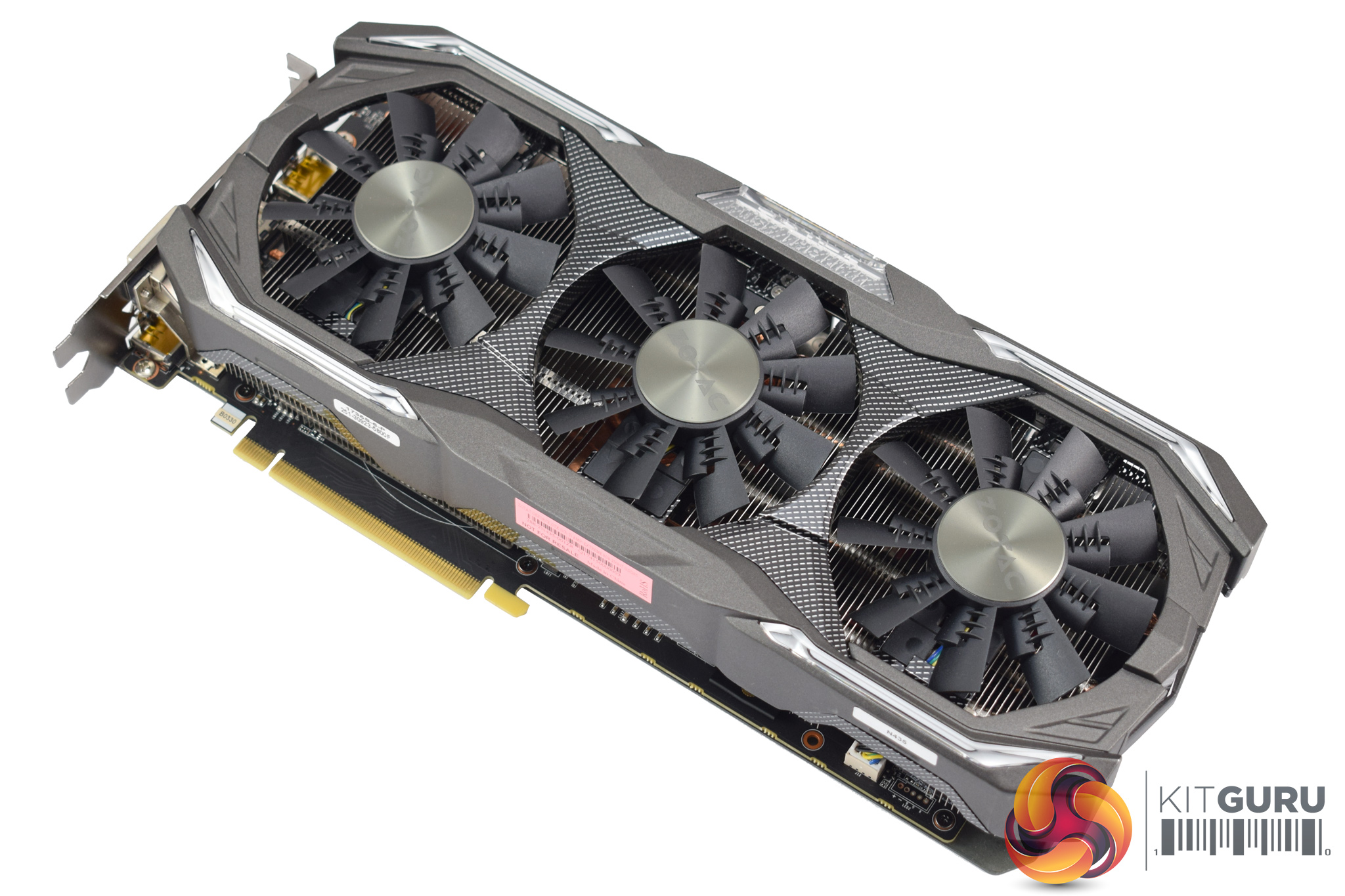
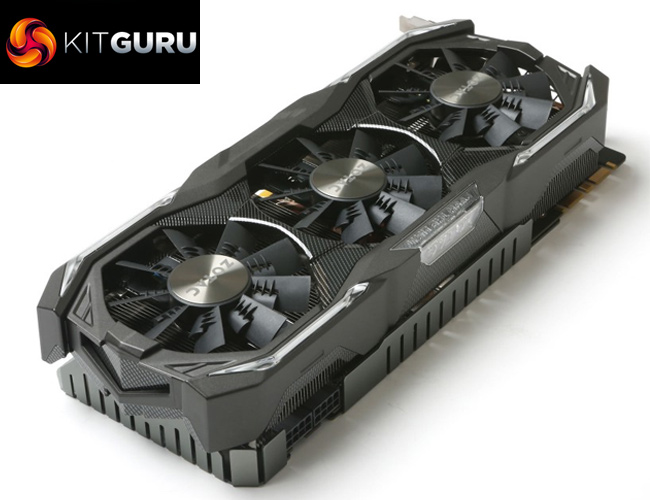
Now, moving onto the card itself, this things is an absolute beast. Measuring in at 325mm x 148mm x 56.6mm, it is safe to say Zotac has not held anything back from the card's design.
In terms of aesthetics, the shroud is a sort of gunmetal grey colour, though there are also some carbon sections which add a little interest. Zotac calls this the ‘carbon exoarmour' and it is certainly something different.
Looking at the cooling solution, the three fans are noteworthy as Zotac callas these ‘EKO' fans, and it reckons they can deliver up to 30% more airflow. Each fan measures 90mm.
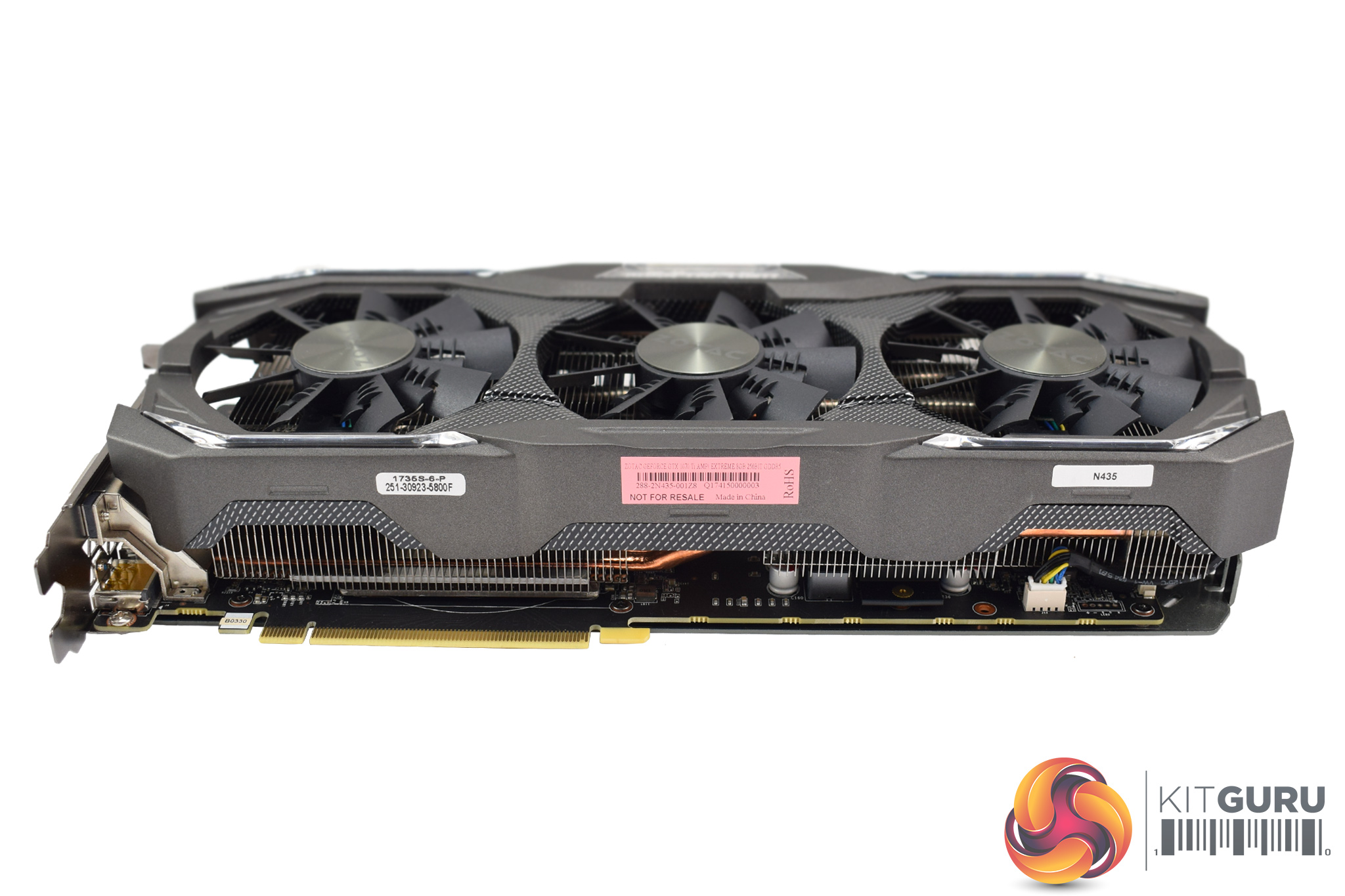
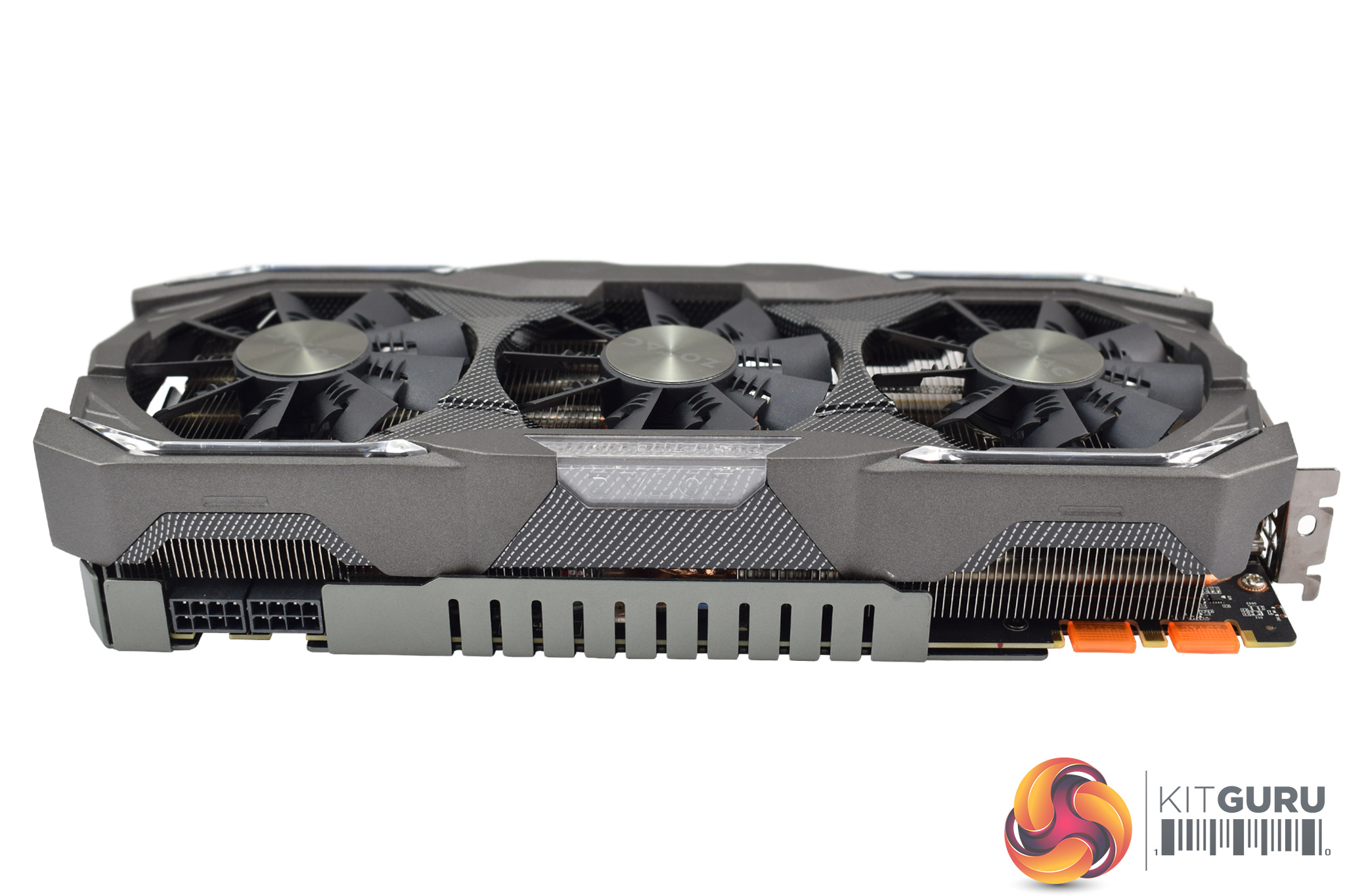
Given the 56.6mm thickness of the card, it also worth noting that it is a two-and-a-half slot card so it is definitely best to check your case's dimensions if you are unsure if the card will fit.
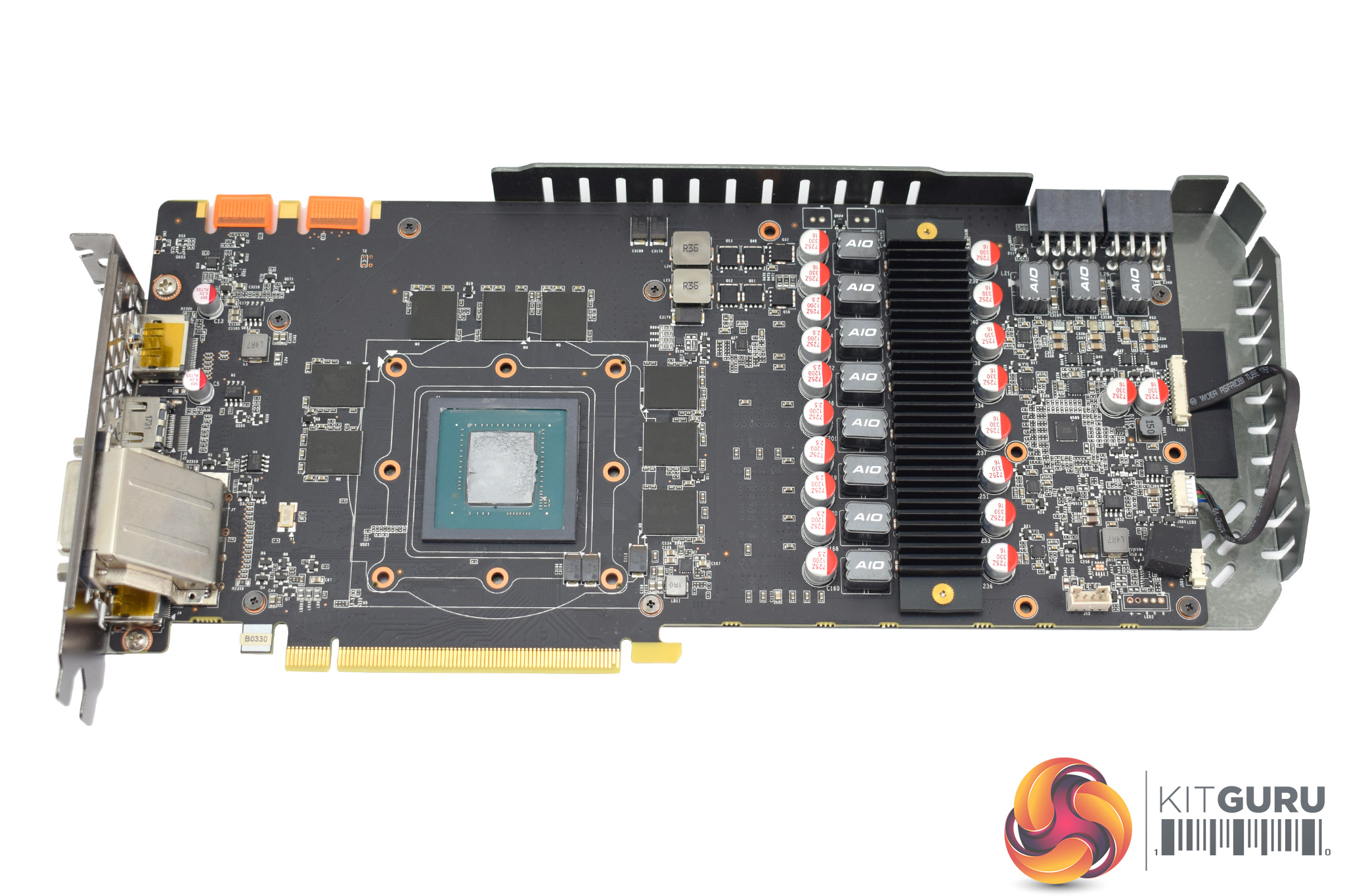
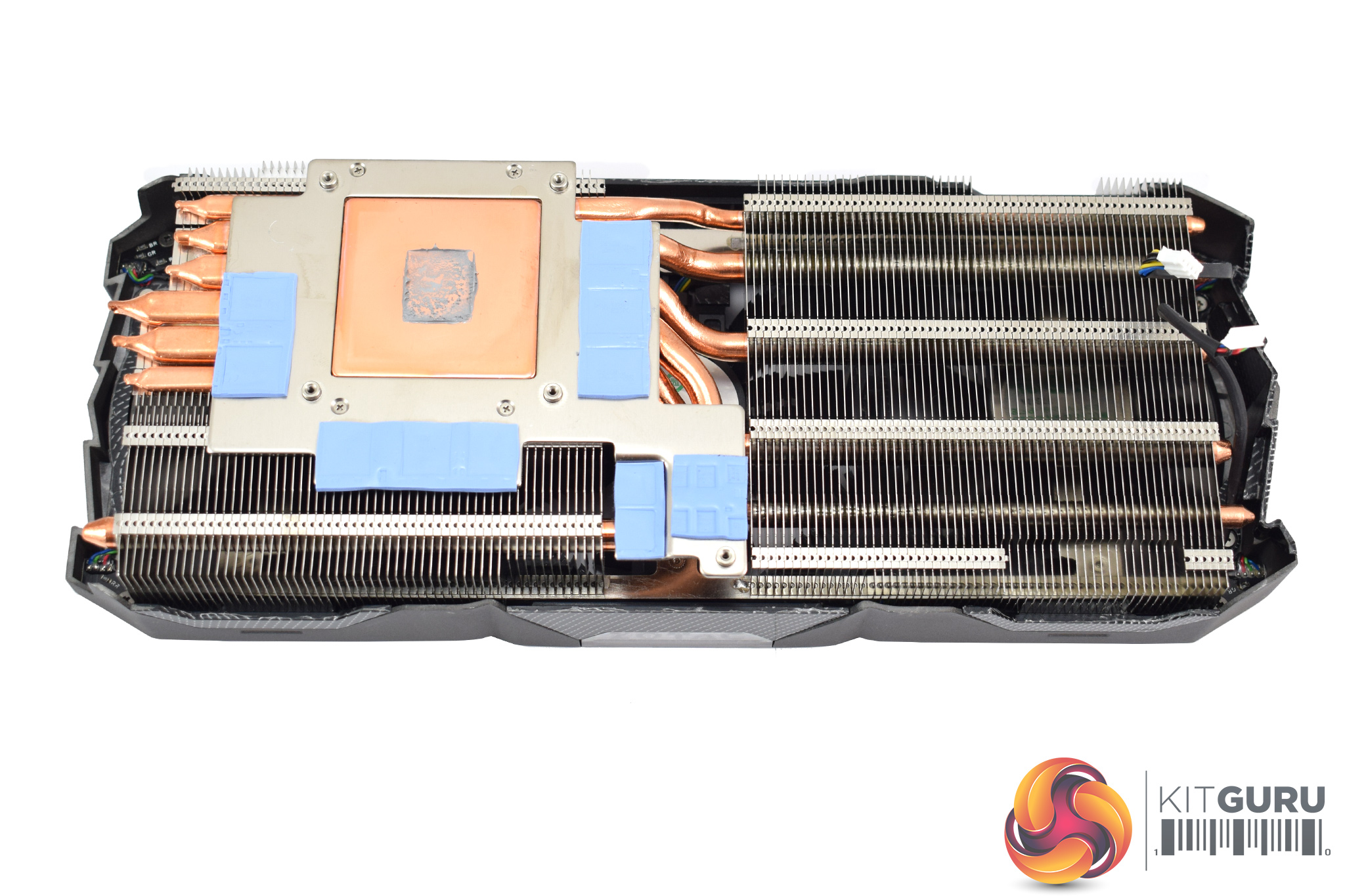
Prising off the heatsink is a simple matter of removing 5 screws – 4 spring-loaded GPU core screws and 1 secondary screw at the side.
The PCB is obviously a custom job, and I was immediately drawn to the secondary heatsink that is actually screwed onto the VRM MOSFETs – this simply increases the surface area to allow for better heat dissipation, but it is a nice touch. There is also a monstrous 8+3 power phase design to deliver stable voltage – ‘extreme' indeed.
In terms of the heatsink, aside from its sheer size, the fact that it uses six copper heatpipes is also noteworthy – that should greatly help heat dissipation. There are also thermals pads applied to help cool the VRAM chips.
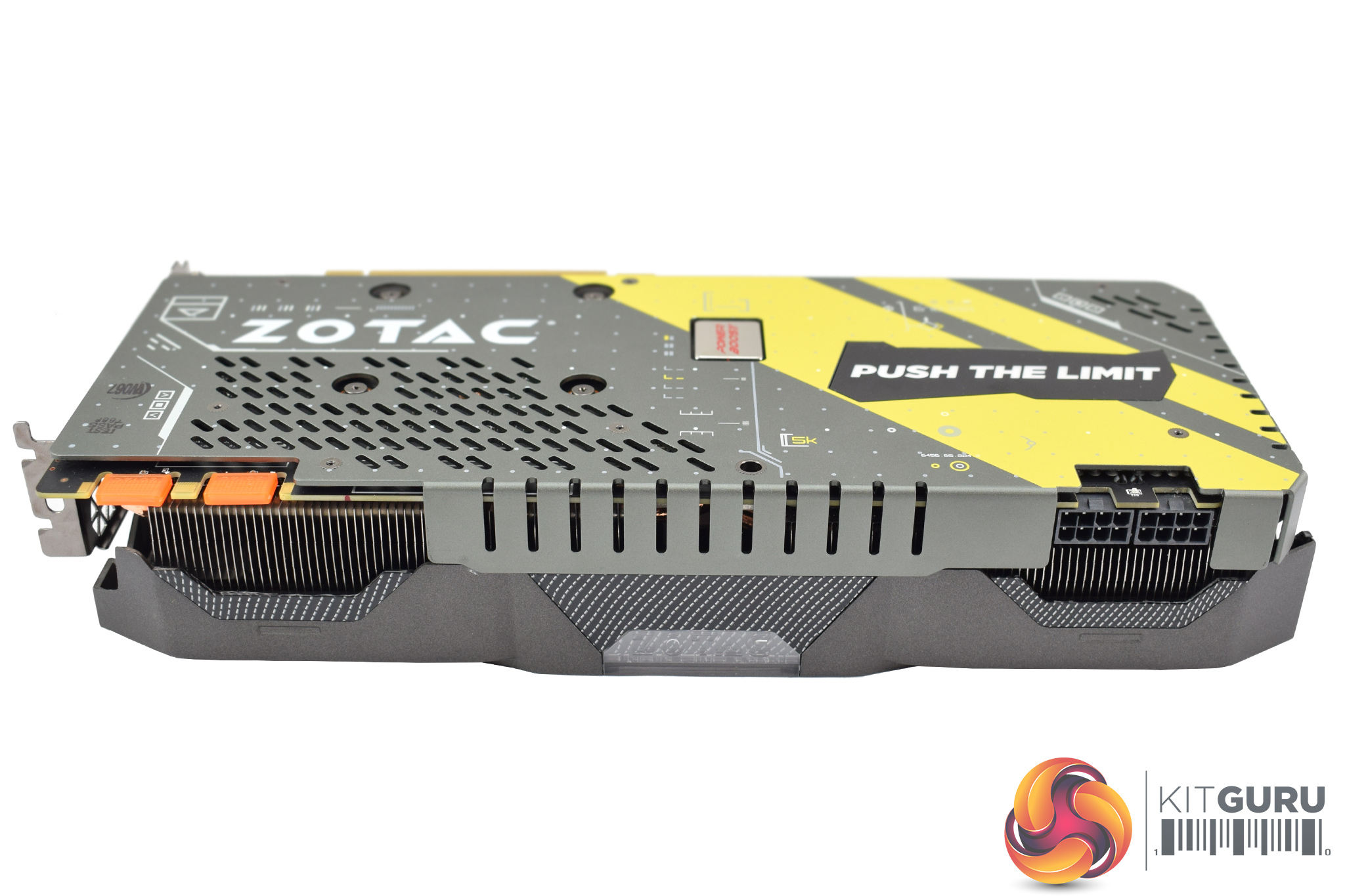
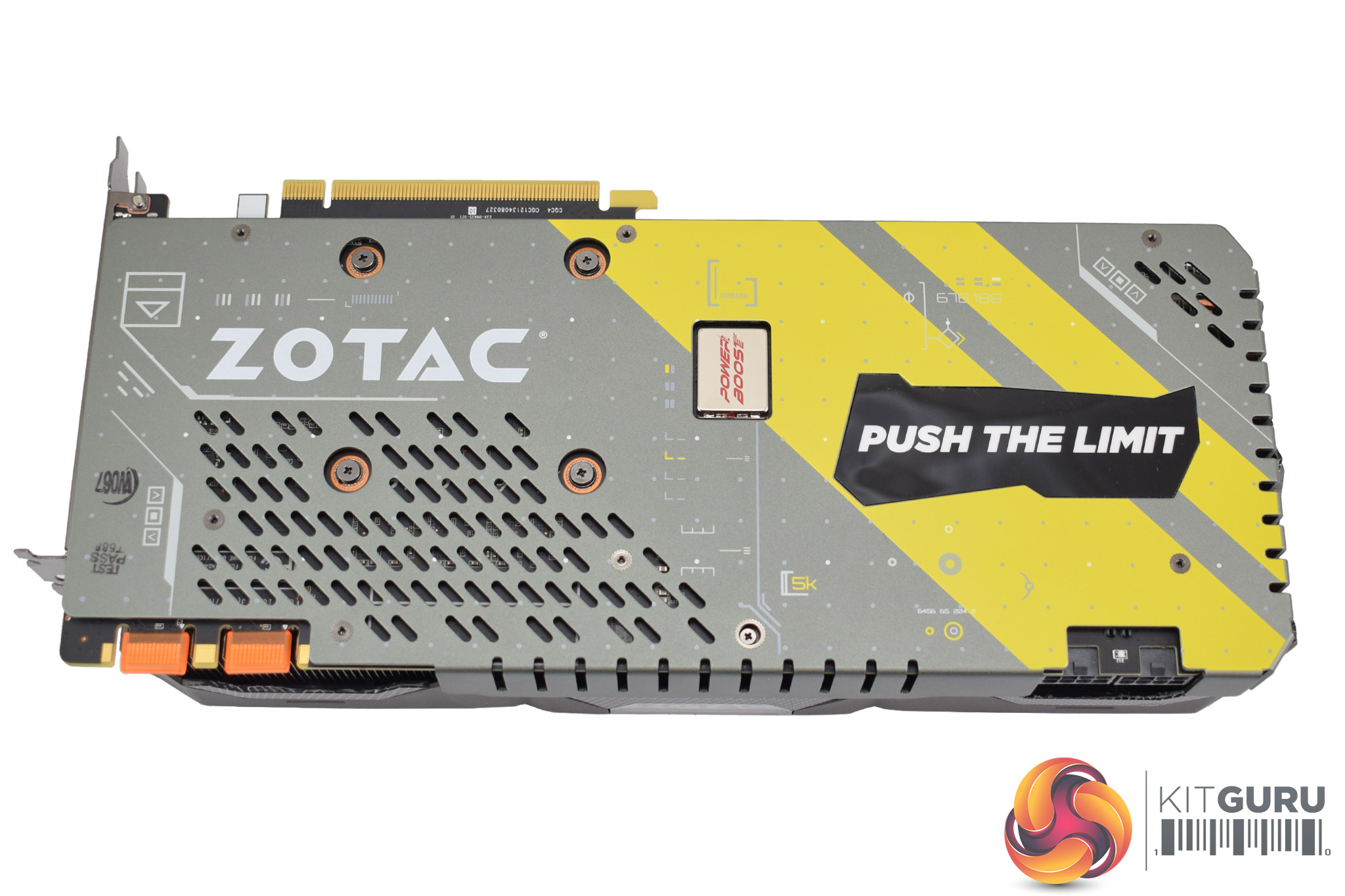
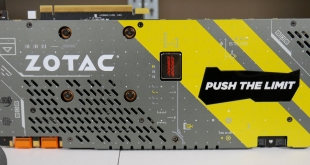
Now, moving onto the backplate, I must say this design is going to split opinion like no other. I thought Zotac had moved away from its yellow backplates when I saw the GTX 1080 Ti Mini, but clearly I was dead wrong.
Personally, I think the design is rather gaudy. The yellow is too bold for my liking, and the red lettering on the ‘power boost' chip also clashes with the yellow strips. Then there is the ‘push the limit' RGB section which is just unnecessary really.
Now, if you have a yellow themed build you may well like the design – but the fact is, many of us don't, so I can only see the design limiting the overall appeal of the card. Having a fixed-colour backplate also defeats the point of having RGB LEDs as well.
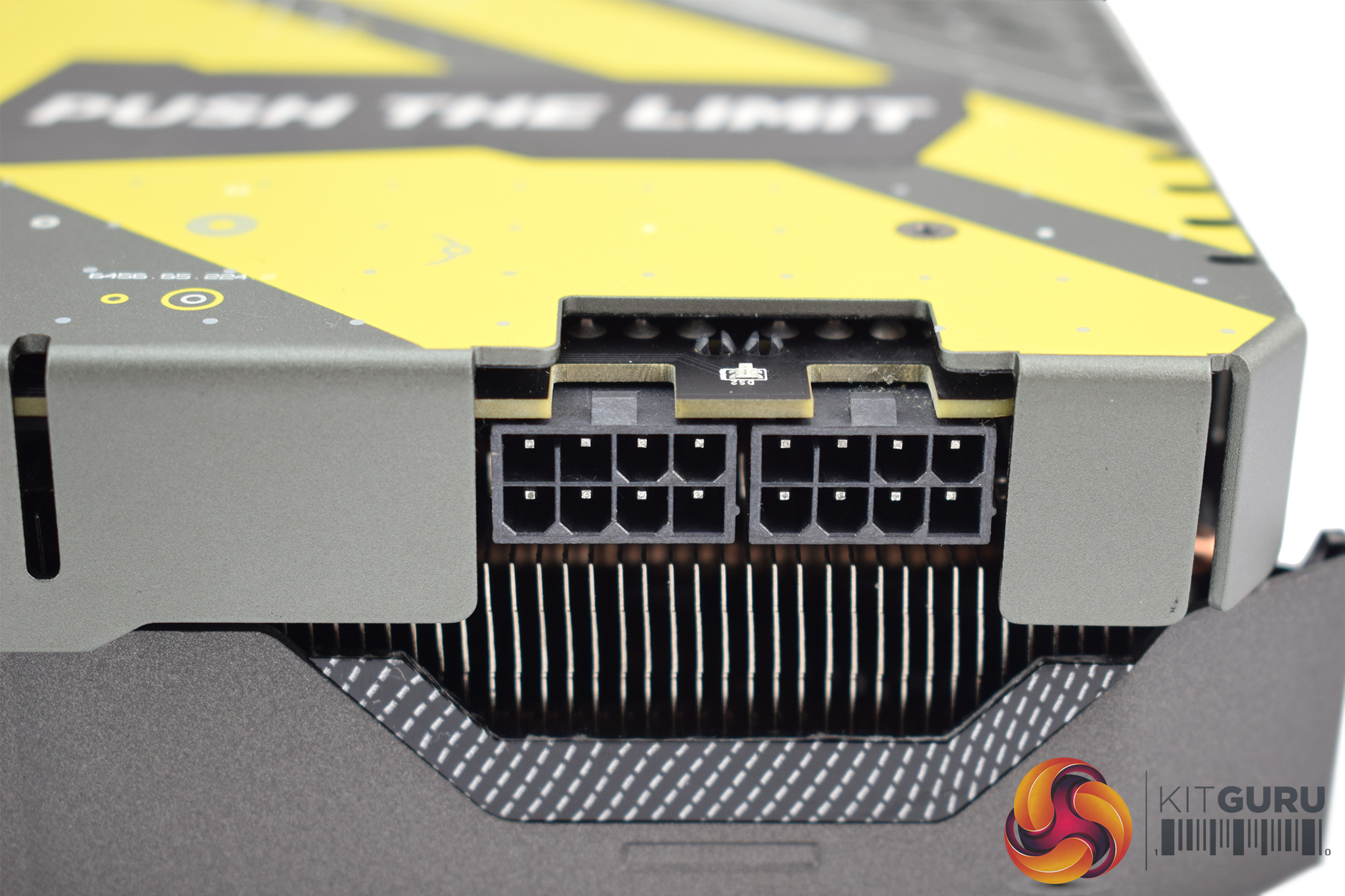
Elsewhere, we can see the AMP Extreme actually requires two 8-pin PCIe power connectors, despite the card still having the same 180W power consumption rating as other GTX 1070 Ti models. Given single 8-pin plug delivers 150W, and 75W comes from the PCIe 3.0 x16 slot, this does feel a bit unnecessary.
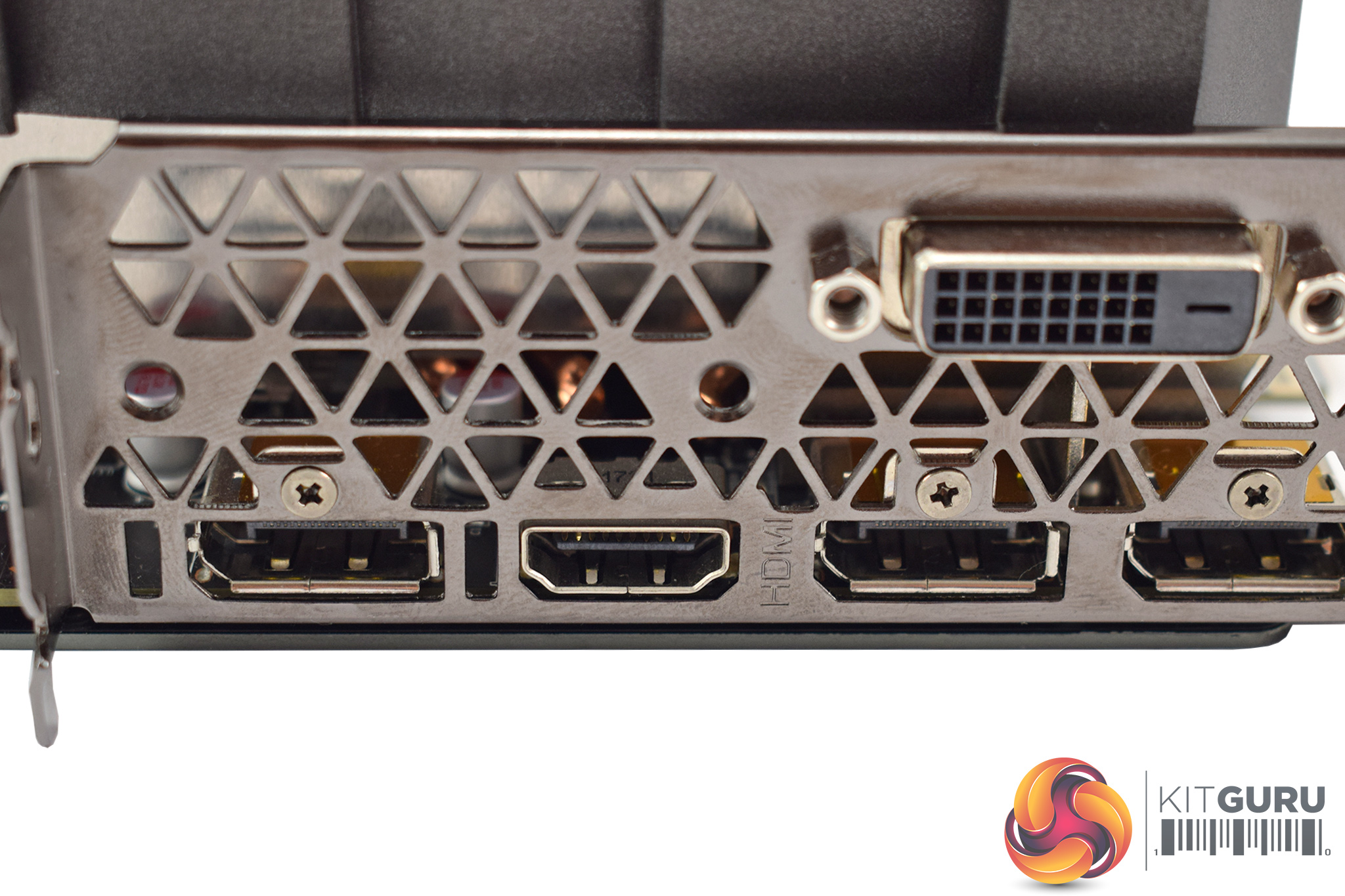
Lastly, we have the usual display outputs: 1x DL-DVI, 3x DisplayPort 1.4 and 1x HDMI 2.0b.
Our newest GPU test procedure has been built with the intention of benchmarking high-end graphics cards. We test at 1920×1080 (1080p), 2560×1440 (1440p), and 3840×2160 (4K UHD) resolutions.
We try to test using the DX12 API if titles offer support. This gives us an interpretation into the graphics card performance hierarchy in the present time and the near future, when DX12 becomes more prevalent. After all, graphics cards of this expense may stay in a gamer’s system for a number of product generations/years before being upgraded.
We tested the RX Vega64 and Vega56 using the ‘Turbo‘ power mode in AMD’s WattMan software. This prioritises all-out performance over power efficiency, noise output, and lower thermals.
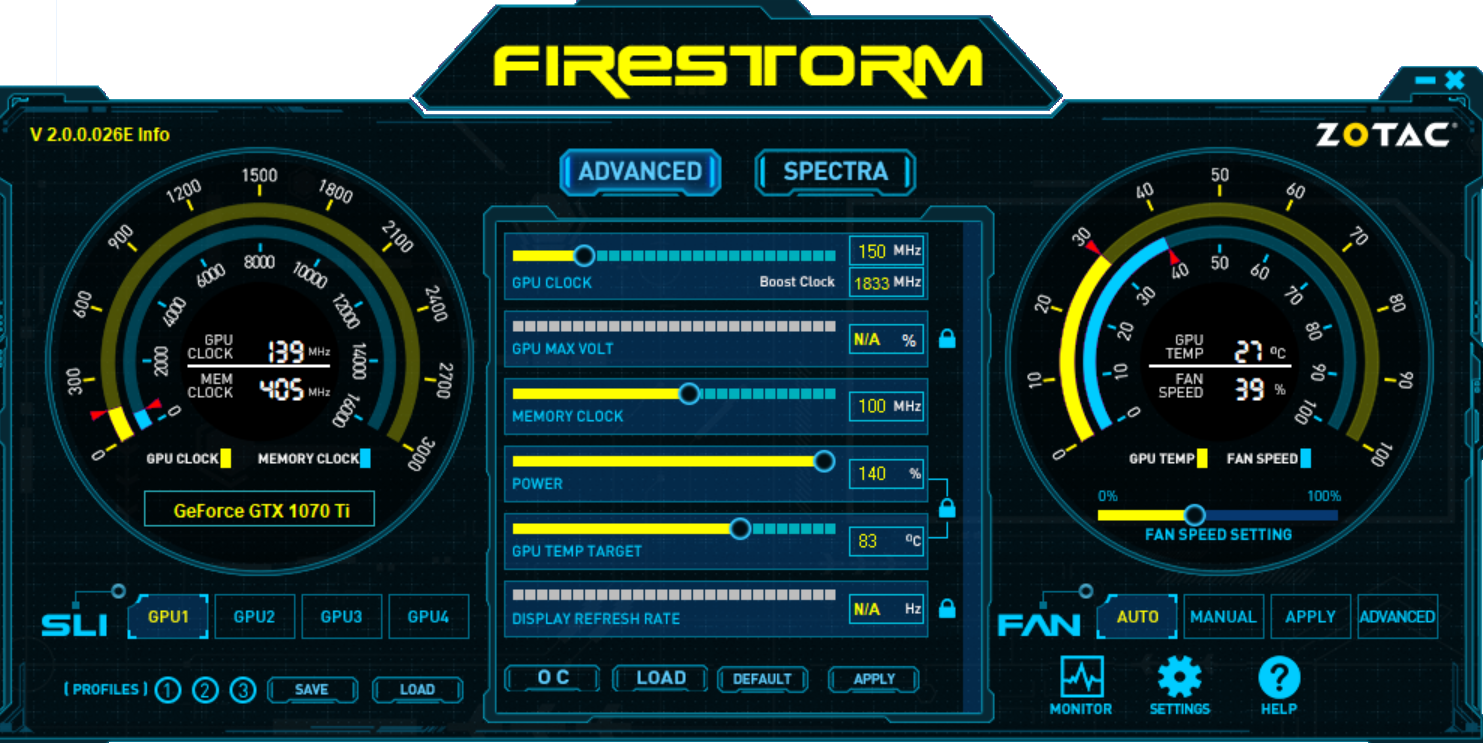
We tested the AMP Extreme GTX 1070 Ti using Zotac's specified ‘one-click' overclocking profile. In reality it is more like a ‘ten-click' OC as users have to manually load a .ini profile, instead of just hitting the big ‘OC' button, but the end result is the same. With the profile enabled, the power limit was set to its maximum value, +150MHz was added to the GPU core and +100MHz was added to the memory. Interestingly, the temperature target was left at its stock value of 83C.
Driver Notes
- AMD Graphics cards were benchmarked with the AMD Crimson ReLive 17.9.1 driver.
- Nvidia Graphics cards, not including GTX 1070 Ti cards, were benchmarked with the Nvidia 384.94 driver.
- GTX 1070 Ti cards were benchmarked with the Nvidia 388.09 driver.
Test System
| CPU |
Intel Core i7-7700K ‘Kaby Lake’ (Retail)
Overclocked to 4.8GHz Core |
| Motherboard |
ASUS Z170 Pro Gaming
|
| Memory |
Geil Evo X
16GB (2x8GB) @ 3200MHz 16-16-16-36 |
| Graphics Card |
Varies
|
| System Drive |
Sandisk SSD PLUS 120GB
|
| Games Drive | Crucial M4 512GB |
| Chassis | Game Max Moonstone (high fan speed) |
| CPU Cooler |
Fractal Design Celsius S24
|
| Power Supply |
Seasonic Prime 1000W Platinum
|
| Operating System |
Windows 10 Professional with Creators’ Update (64-bit)
|
Our test system consists of an overclocked Core i7-7700K processor and 16GB of 3200MHz Geil DDR4. High-end hardware is used to eliminate CPU and memory from the bottleneck equation and put the performance onus solely on the GPU being tested.
Comparison Graphics Cards List
AMD Radeon RX Vega64 Air (1247MHz core / 1546MHz average boost / 1.89Gbps HBM2 memory)
AMD Radeon RX Vega56 Air (1156MHz core / 1471MHz average boost / 1.6Gbps HBM2 memory)
Nvidia GTX 1080 Ti Reference (1480MHz core / 1582MHz boost / 11Gbps GDDR5X memory)
Zotac GTX 1080 Ti Mini (1506MHz core / 1620Mhz boost / 11Gbps GDDR5X memory)
MSI GTX 1080 Ti Gaming X Trio (1569MHz core / 1683MHz boost / 11Gbps GDDR5X memory)
Gigabyte GTX 1080 G1 Gaming (1696MHz core/ 1835MHz boost / 10Gbps GDDR5X memory)
MSI GTX 1070 Ti Gaming 8G (1607MHz core / 1683HMz boost / 8Gbps GDDR5)
Palit GTX 1070 Ti Super JetStream (1607MHz core / 1683HMz boost / 8Gbps GDDR5)
ASUS GTX 1070 Ti ROG Strix (OC Mode) (1683MHz core / 1759MHz boost / 8Gbps GDDR5)
Nvidia GTX 1070 Founders Edition (1506MHz core/ 1683MHz boost / 8Gbps GDDR5 memory)
Software and Games List
- 3DMark Fire Strike & Fire Strike Ultra (DX11 Synthetic)
- 3DMark Time Spy (DX12 Synthetic)
- Ashes of the Singularity: Escalation (DX12)
- Deus Ex: Mankind Divided (DX12)
- Ghost Recon Wildlands (DX11)
- Grand Theft Auto V (DX11)
- Rise of the Tomb Raider (DX12)
3DMark Fire Strike is a showcase DirectX 11 benchmark designed for today’s high-performance gaming PCs. It is our [FutureMark’s] most ambitious and technical benchmark ever, featuring real-time graphics rendered with detail and complexity far beyond what is found in other benchmarks and games today.
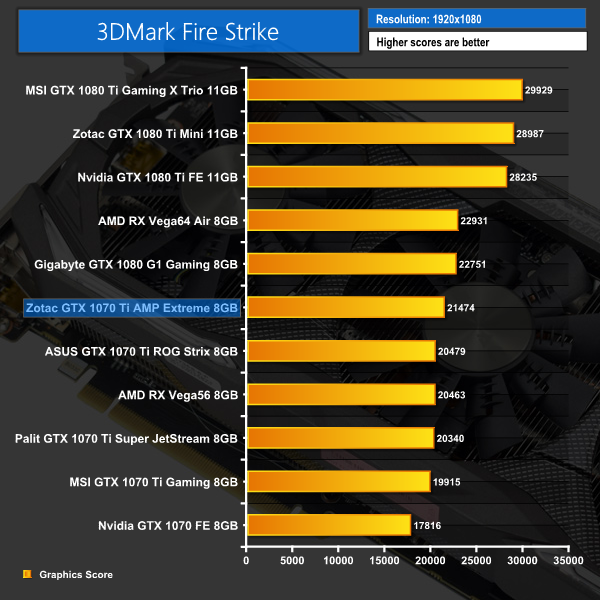
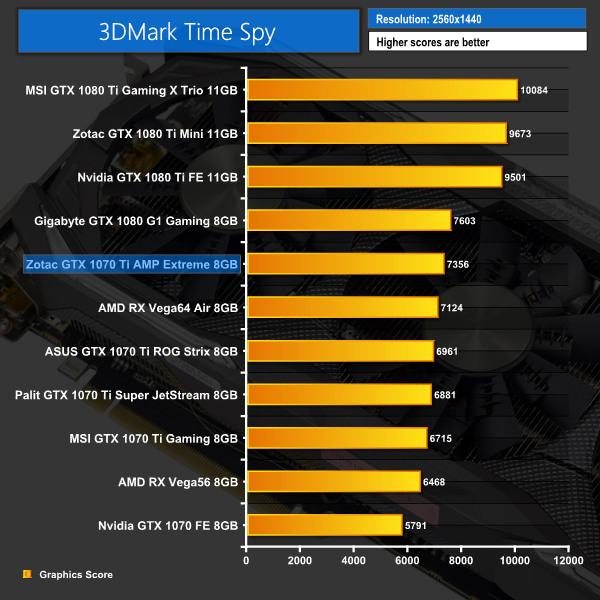
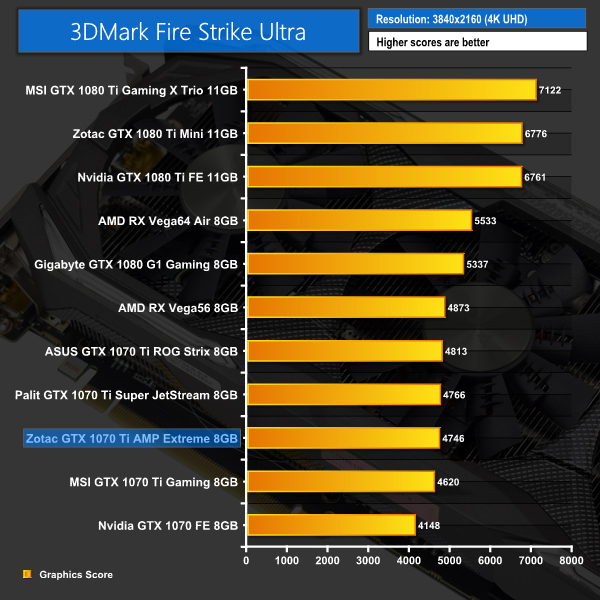
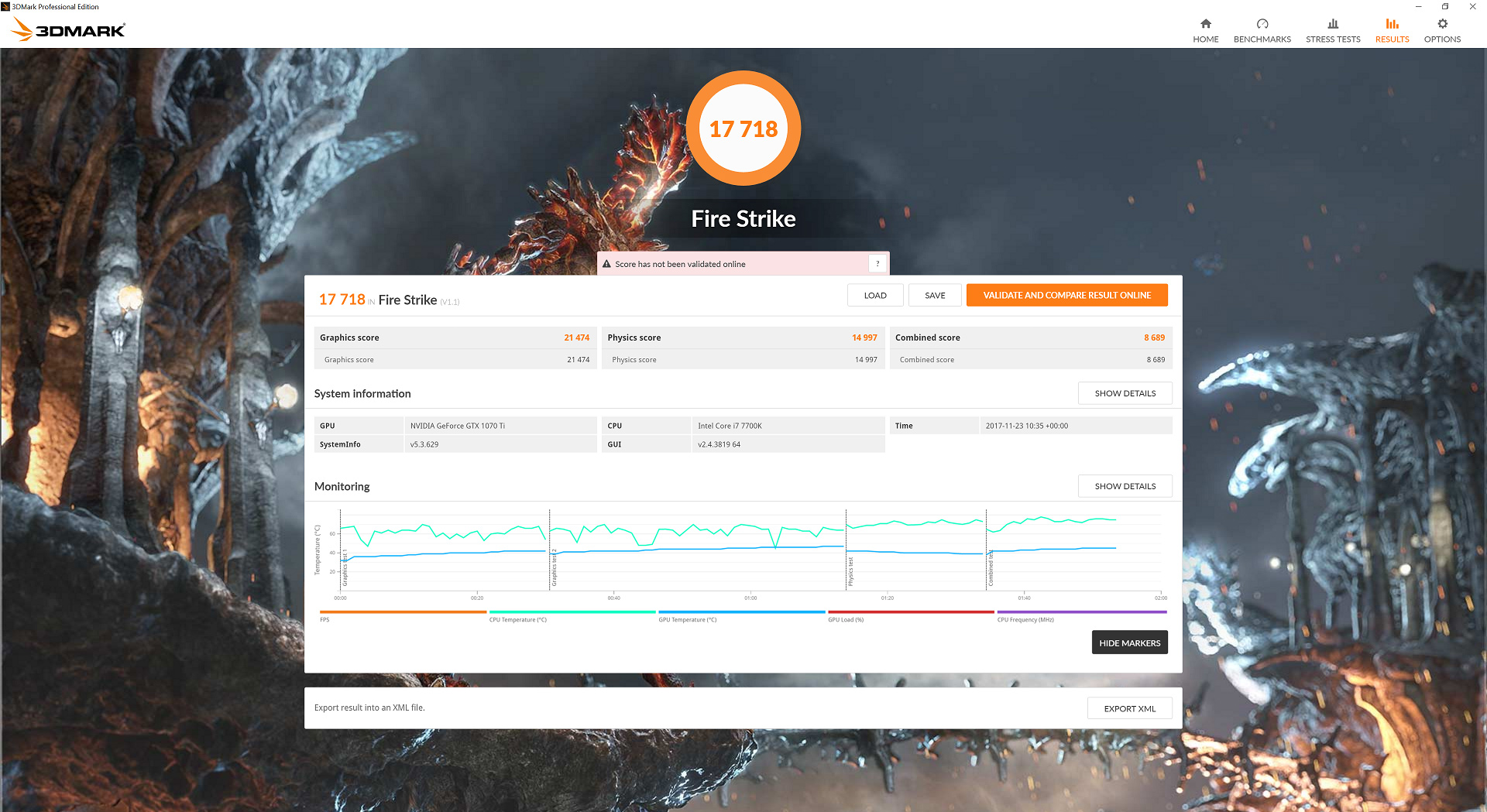
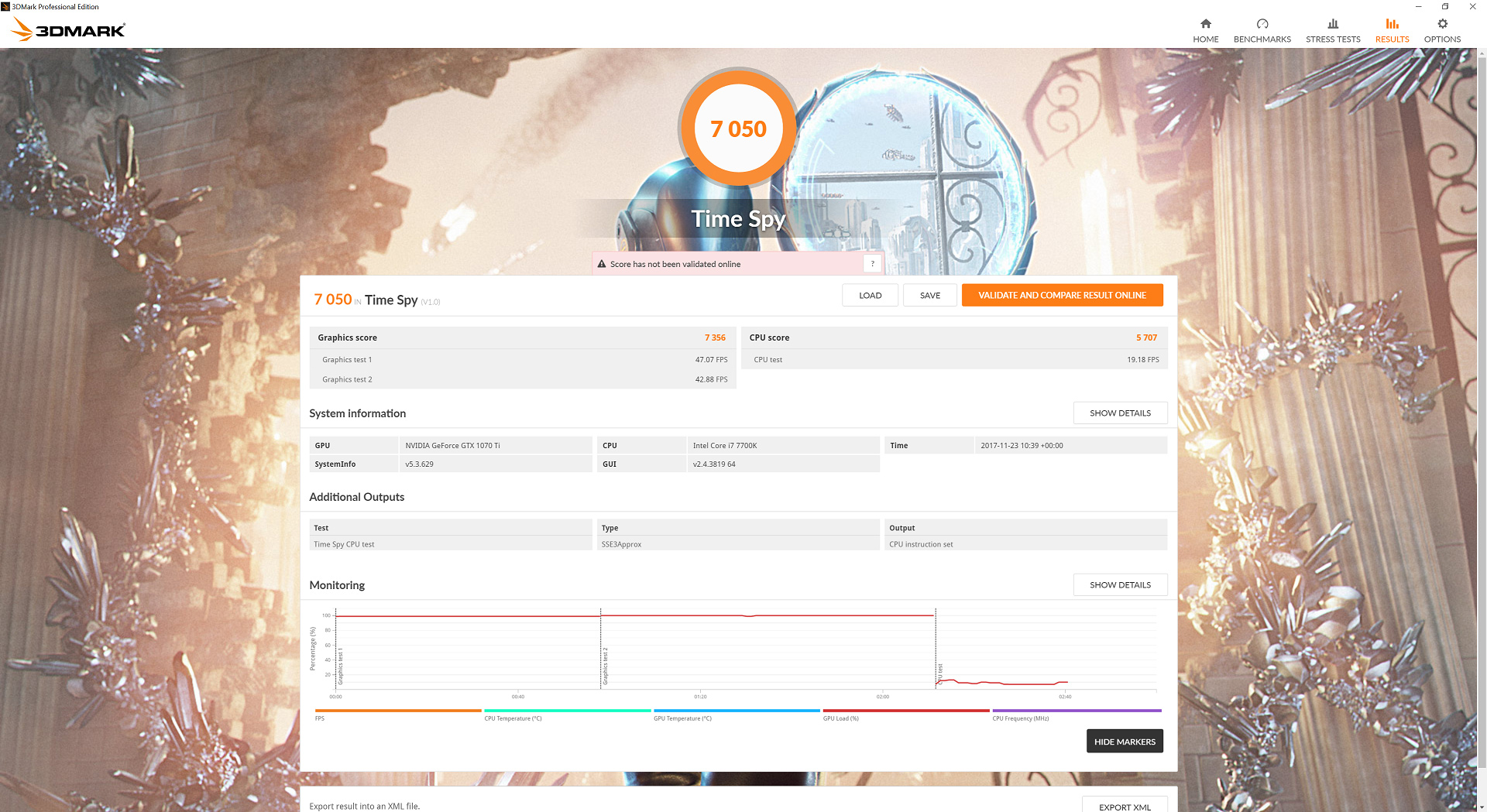
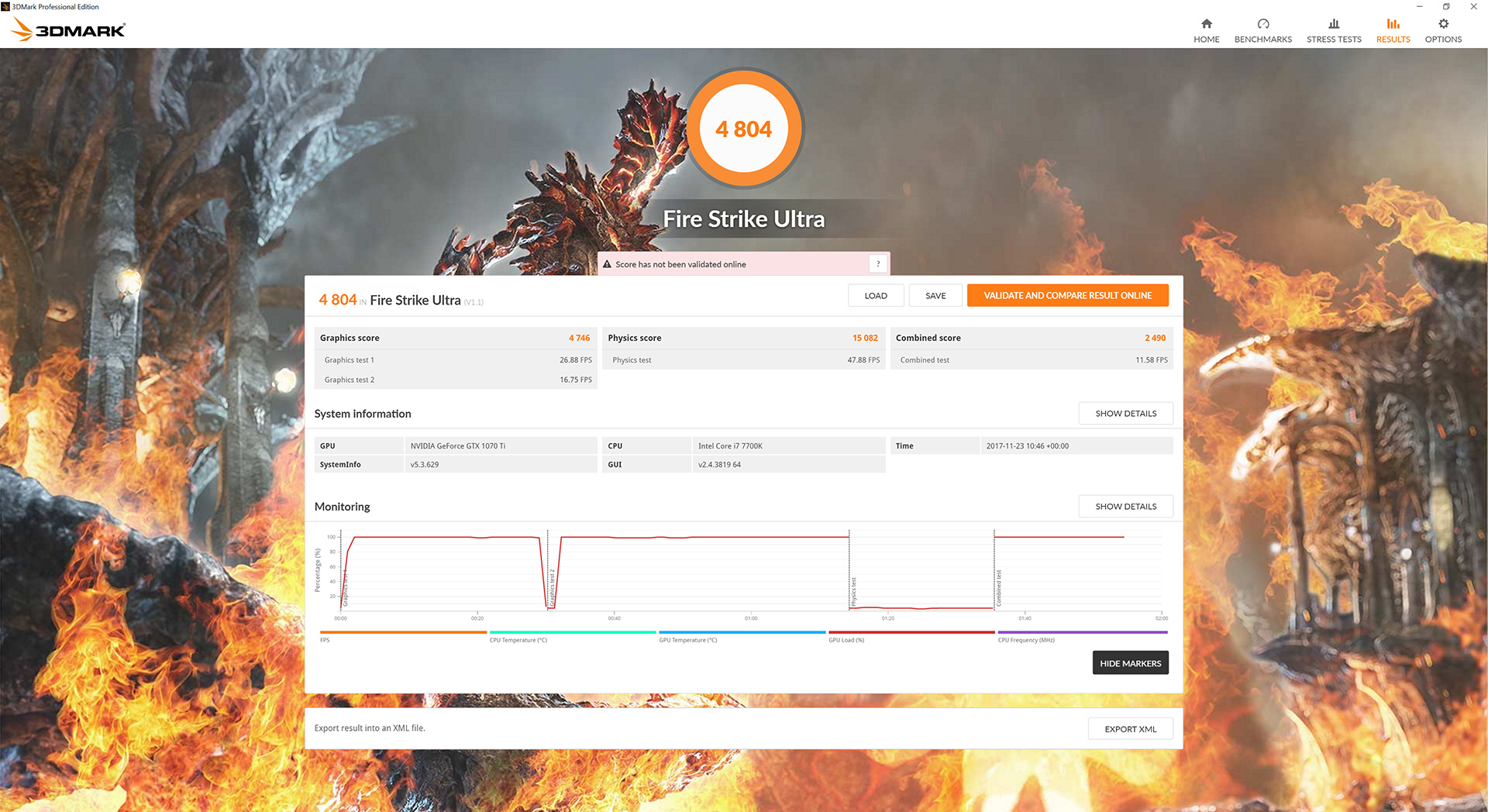
It is a good start for the AMP Extreme GTX 1070 Ti here – it posts the highest scores yet for a 1070 Ti in Fire Strike and Time Spy, while it is still competitive in the 4K Fire Strike Ultra test.Ashes of the Singularity: Escalation is a real-time strategy game set in the future where descendants of humans (called Post- Humans) and a powerful artificial intelligence (called the Substrate) fight a war for control of a resource known as Turinium.
Players will engage in massive-scale land/air battles by commanding entire armies of their own design. Each game takes place on one area of a planet, with each player starting with a home base (known as a Nexus) and a single construction unit.
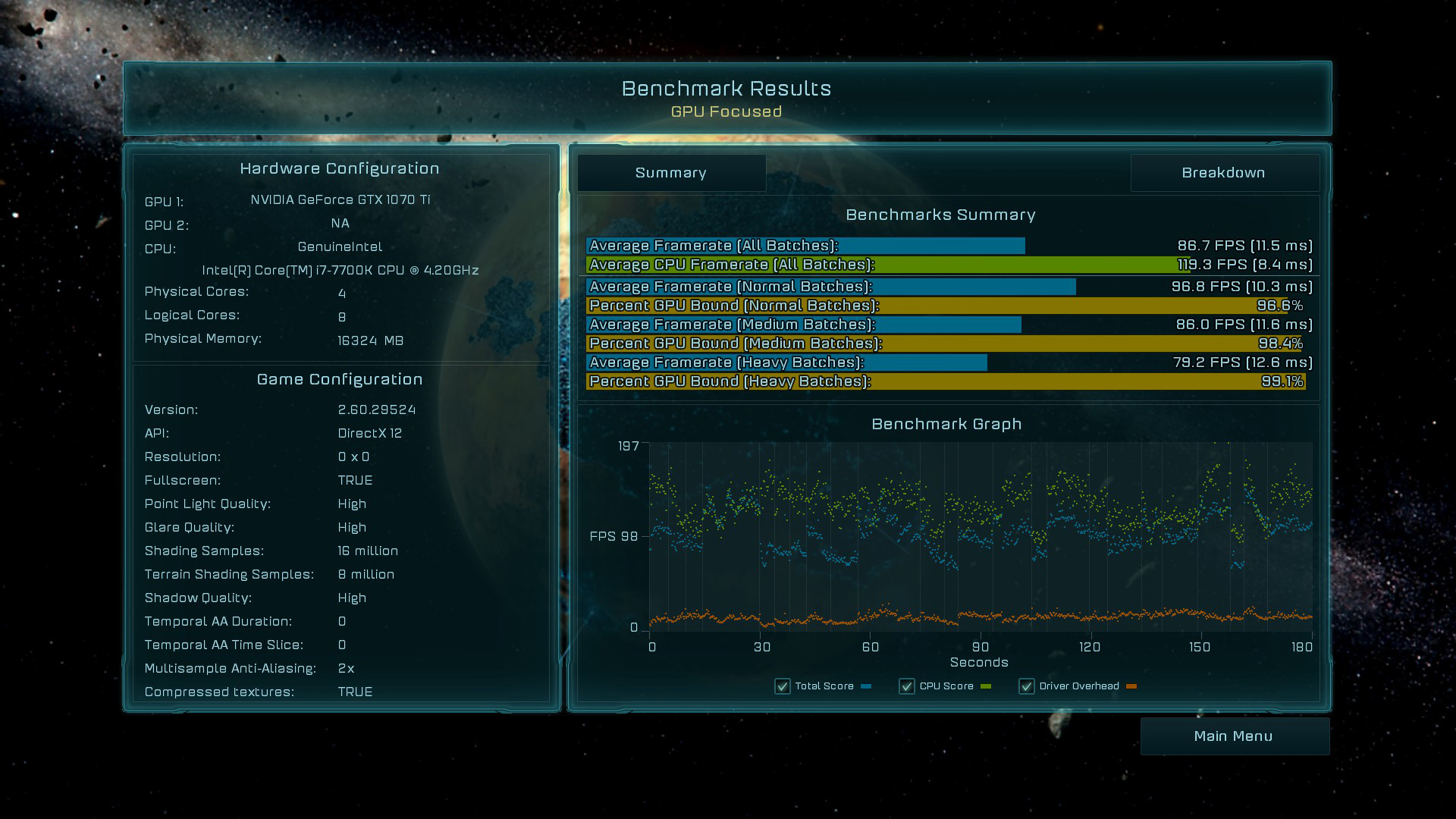
We opt for the Extreme quality profile and run the GPU-Focused test using the DX12 game mode.
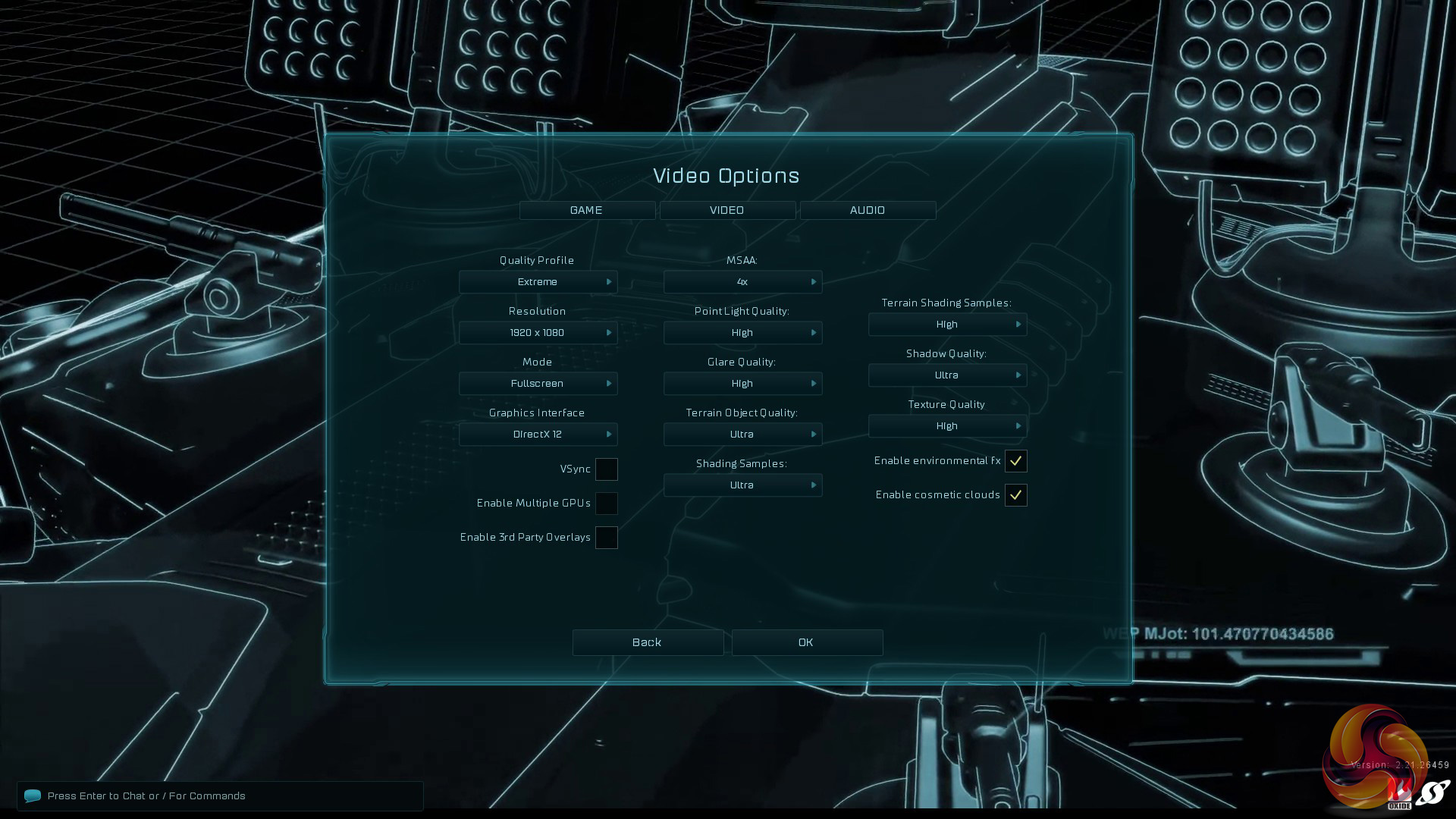
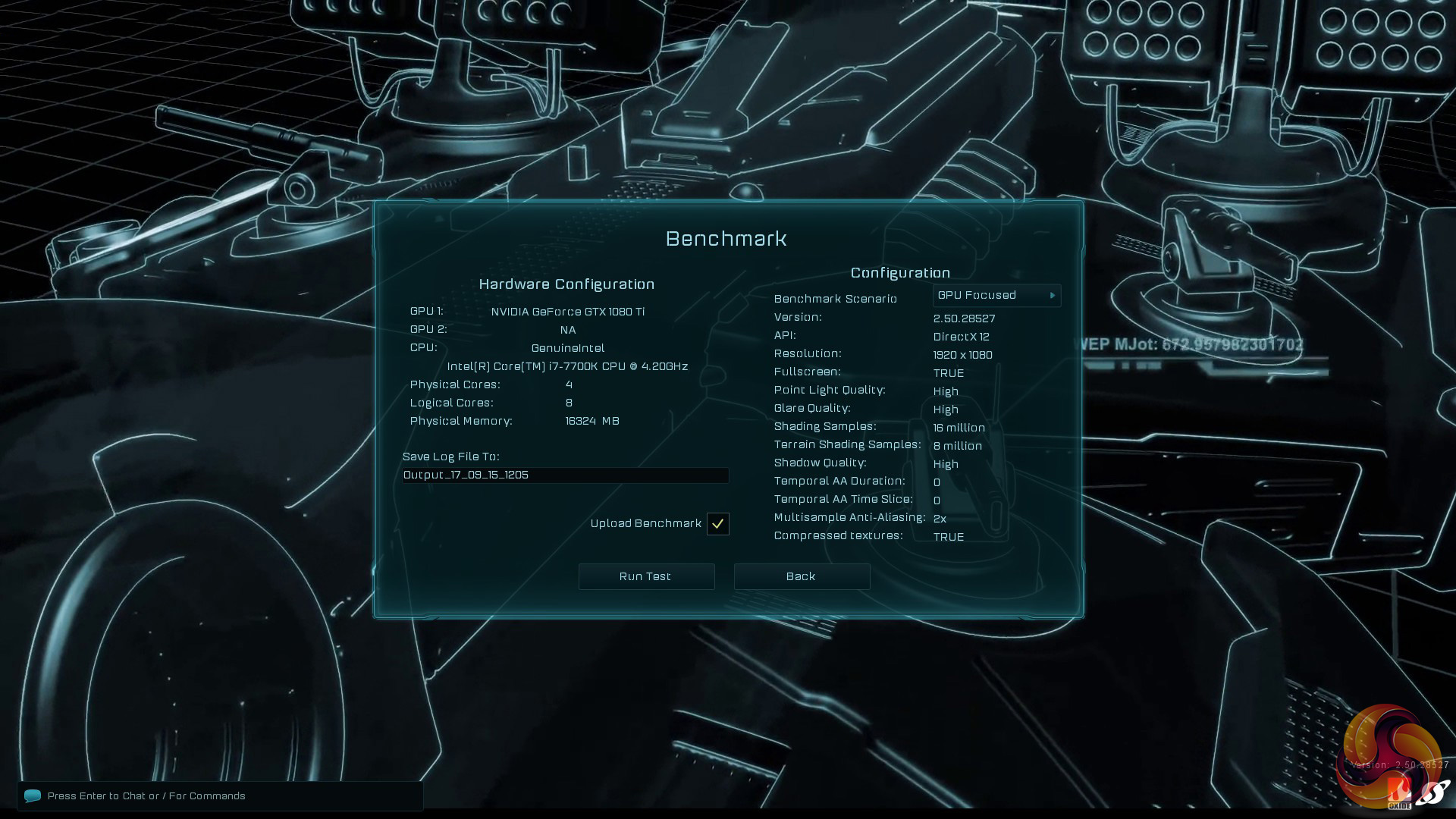
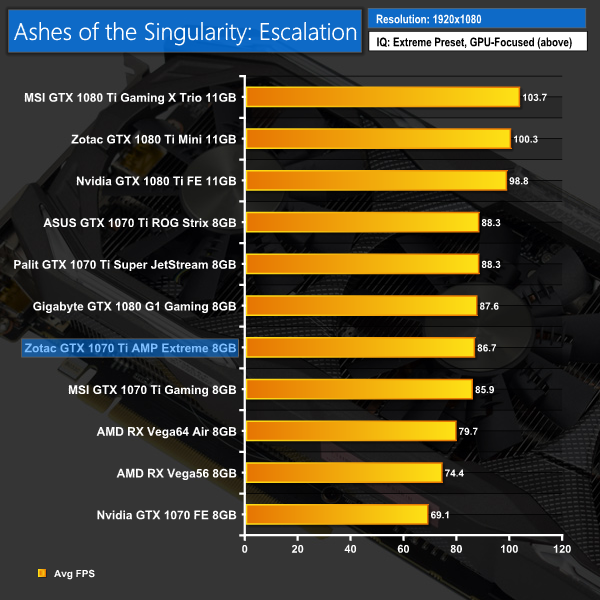
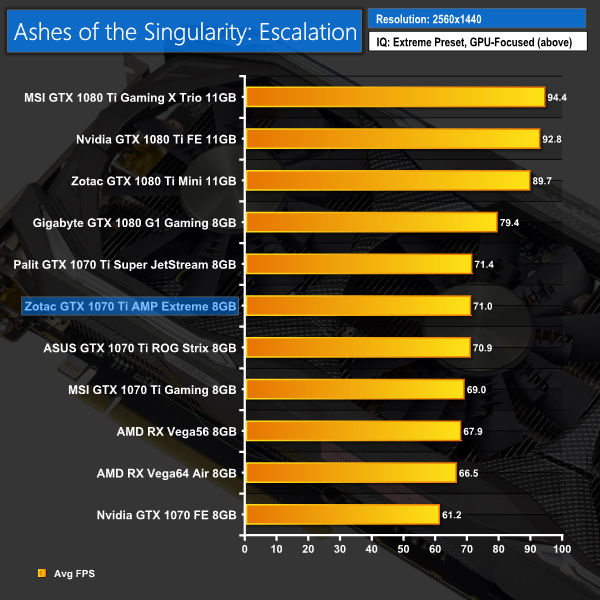
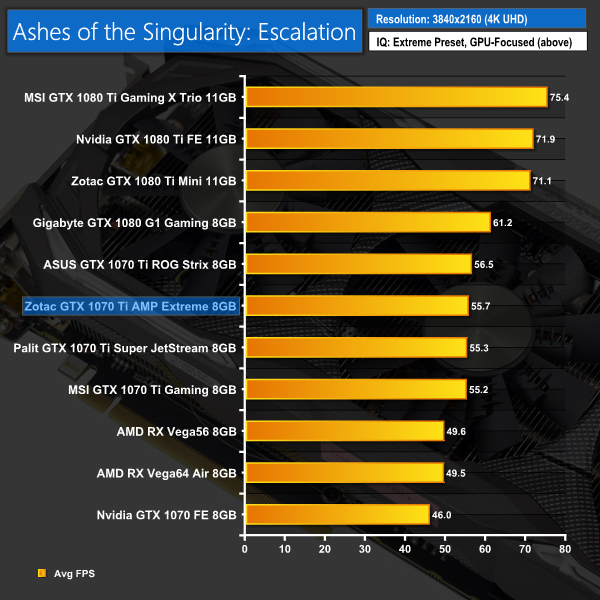
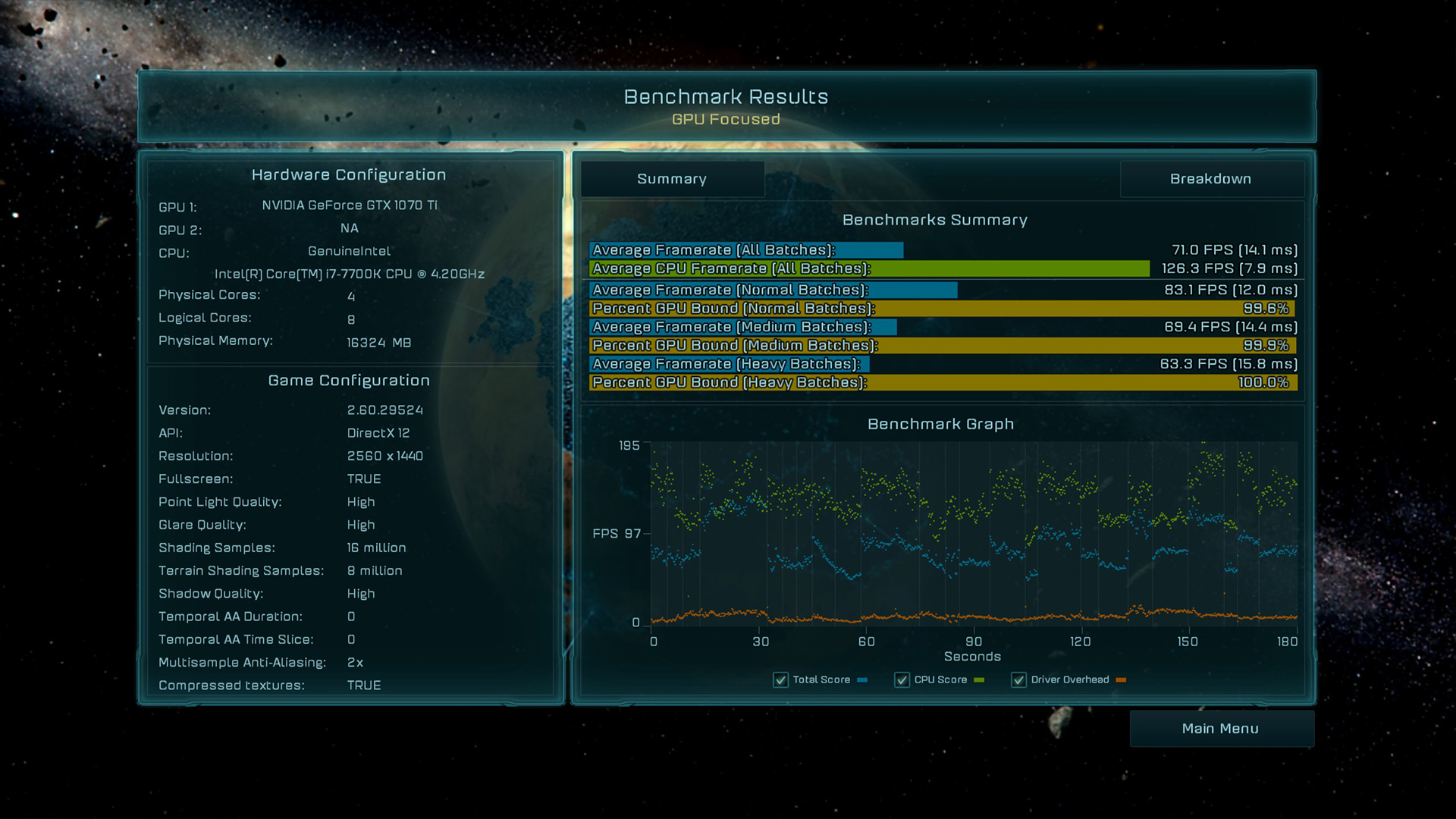
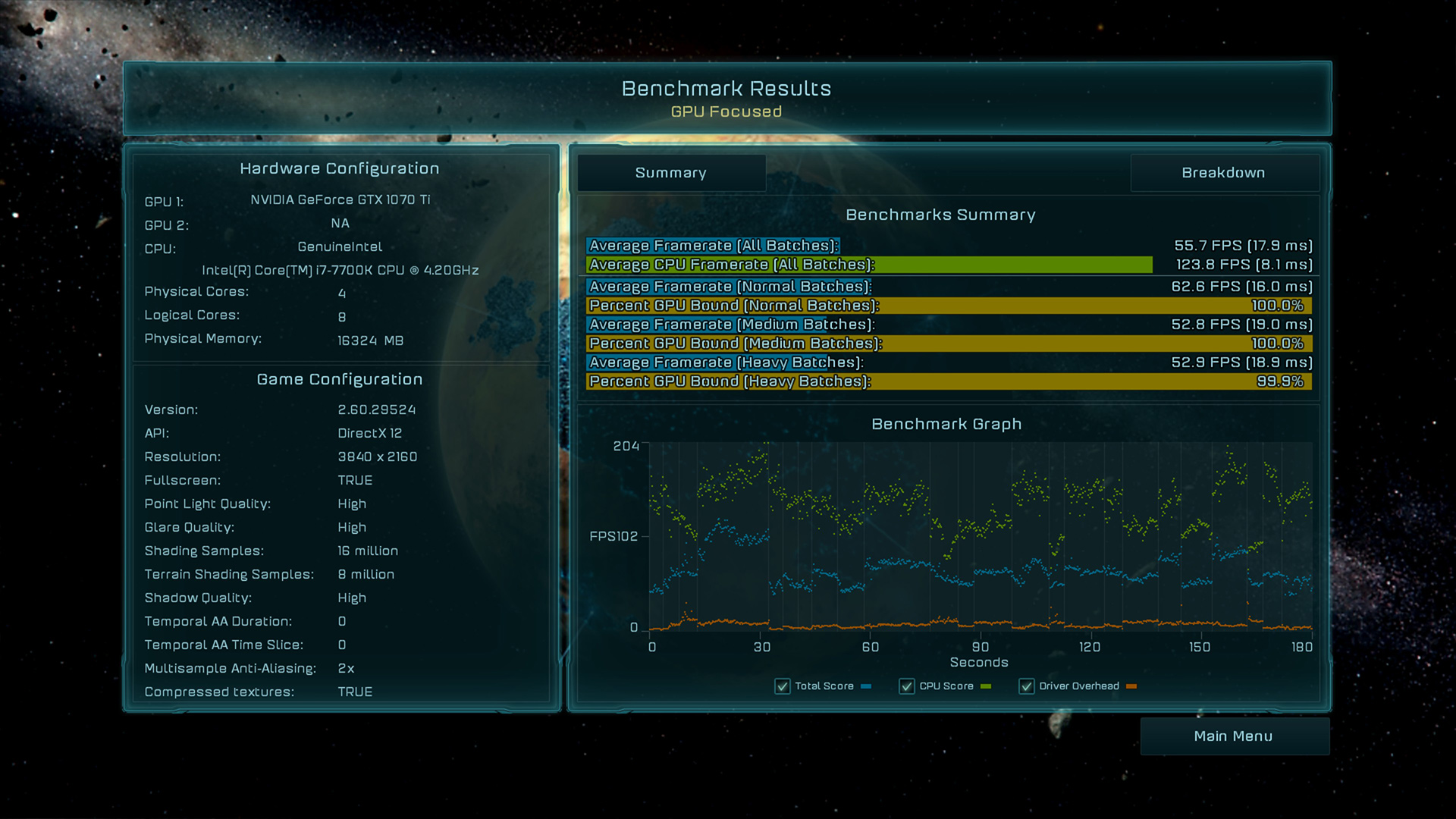
Ashes is slightly less promising than the initial 3DMark tests – while the results are right in the mix with the other GTX 1070 Tis, I would've thought this AMP Extreme card would come out on top due to its OC profile and the +150MHz to the GPU core.Deus Ex: Mankind Divided is set in the year 2029, two years after the events of Human Revolution and the “Aug Incident”—an event in which mechanically augmented humans became uncontrollable and lethally violent. Unbeknownst to the public, the affected augmented received implanted technology designed to control them by the shadowy Illuminati, which is abused by a rogue member of the group to discredit augmentations completely. (Wikipedia).
The Very High preset was used for 1080P, 1440P, and 4K. We used the DirectX 12 API.
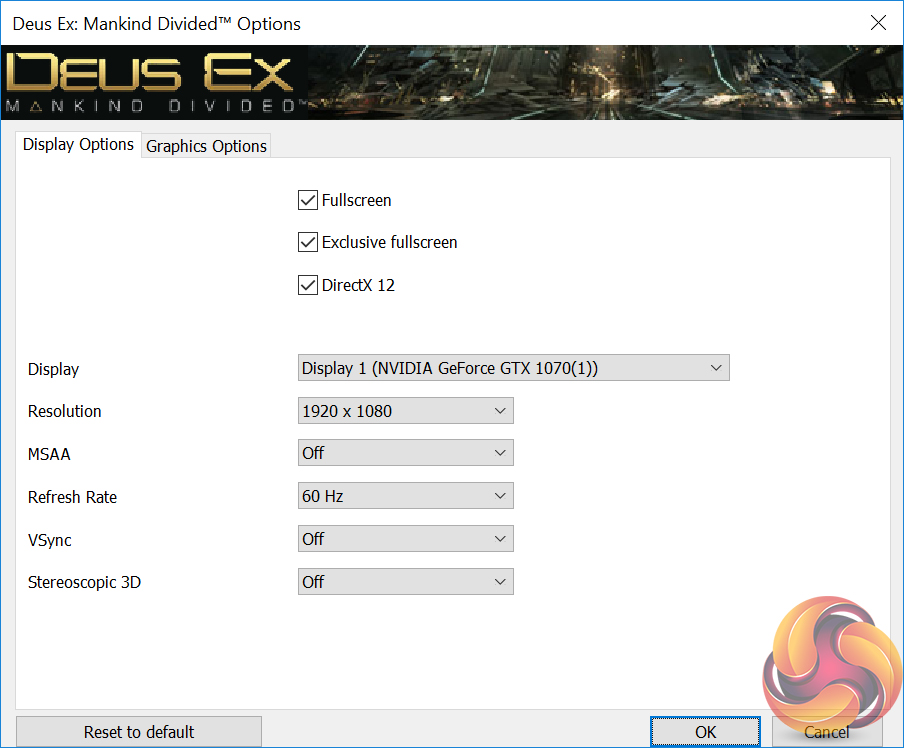
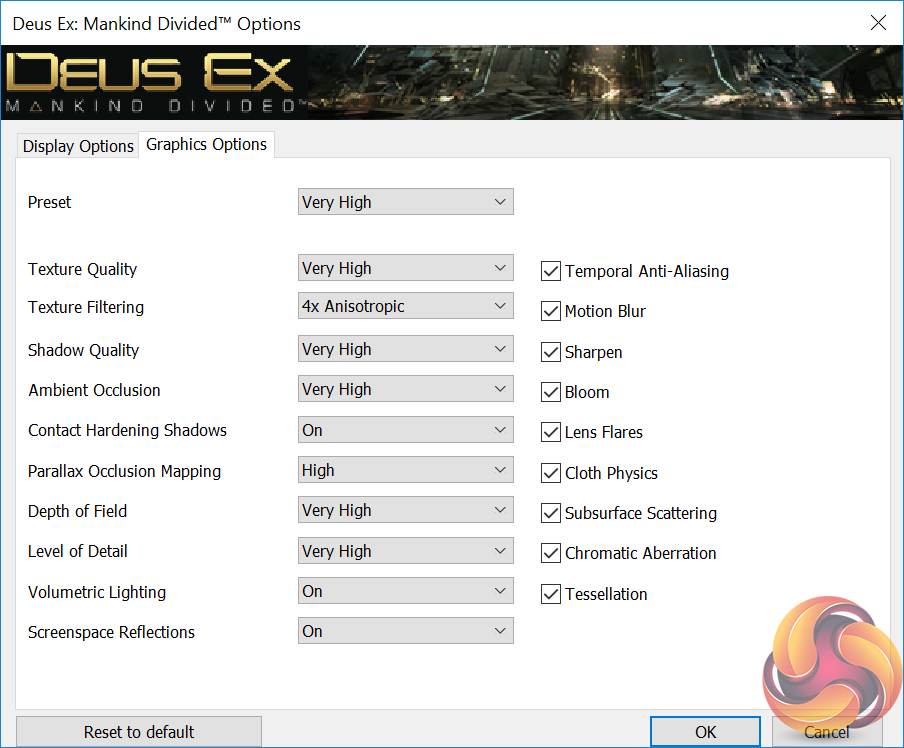
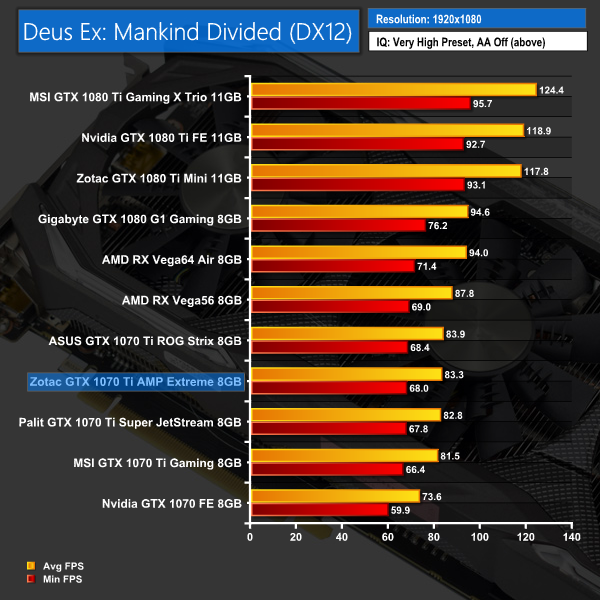
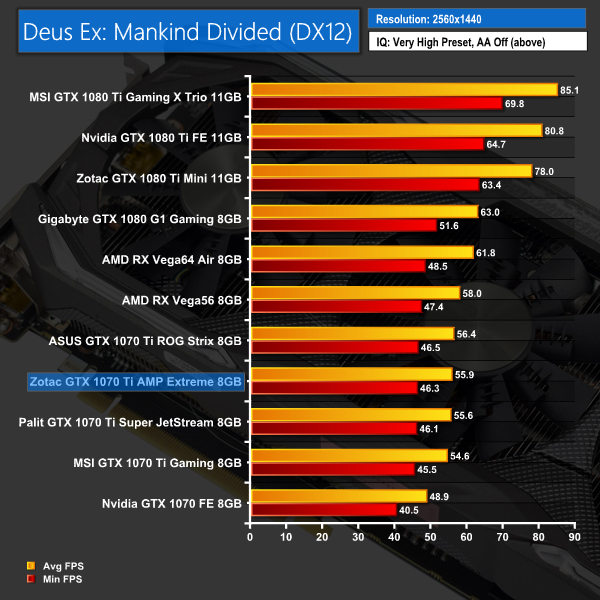
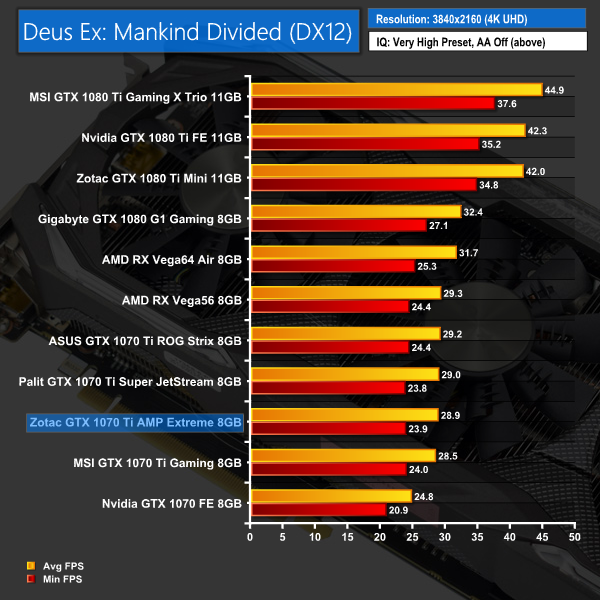
It is a similar story for the AMP Extreme in Deus Ex – it still scores well, but it is outperformed by the ASUS ROG Strix GTX 1070 Ti, despite that card having a much smaller one-click overclock applied.Tom Clancy’s Ghost Recon: Wildlands is an open world tactical shooter video game developed by Ubisoft Paris. It is the tenth instalment in the Tom Clancy’s Ghost Recon franchise and is the first Ghost Recon game to feature an open world environment.
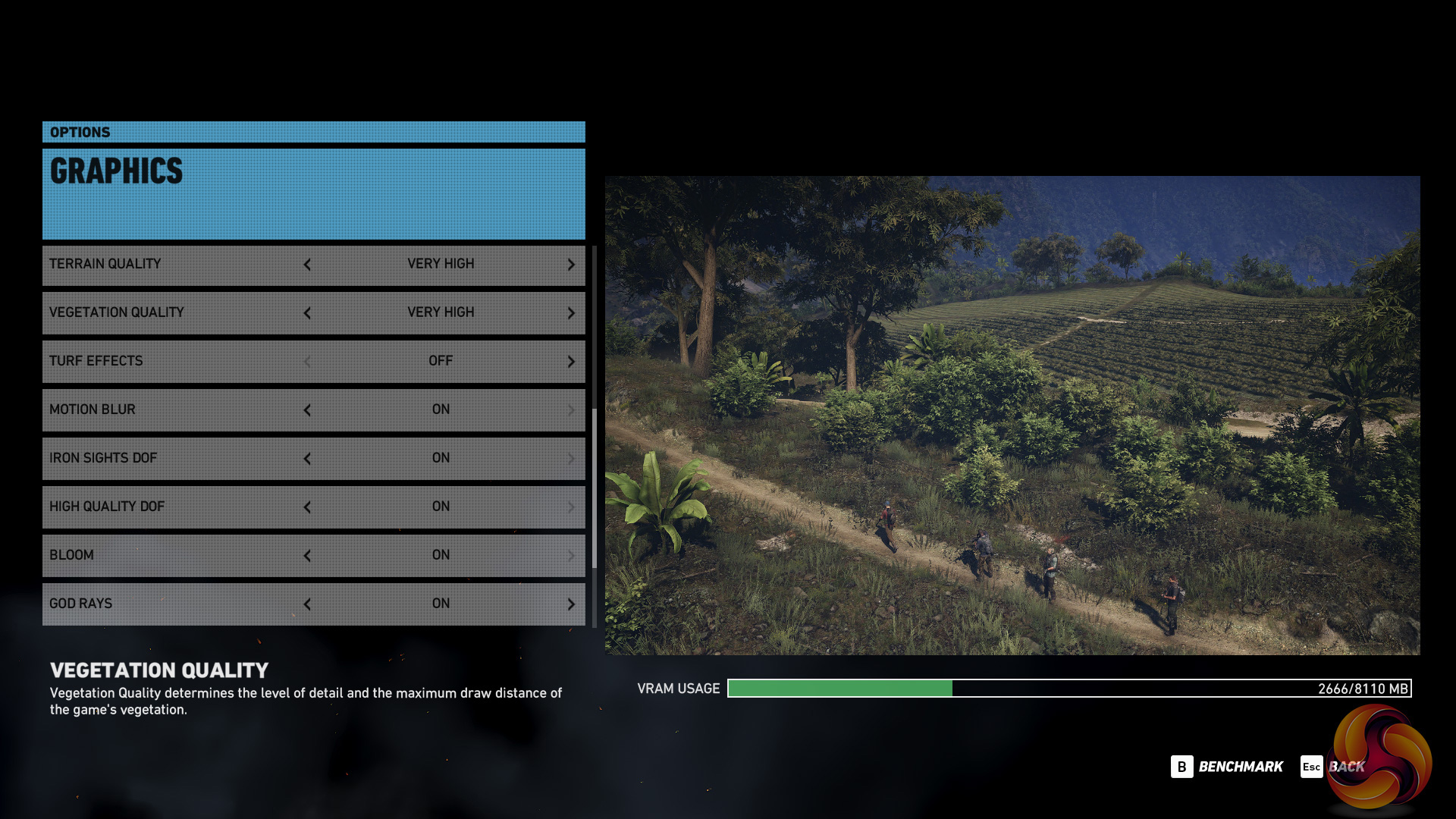
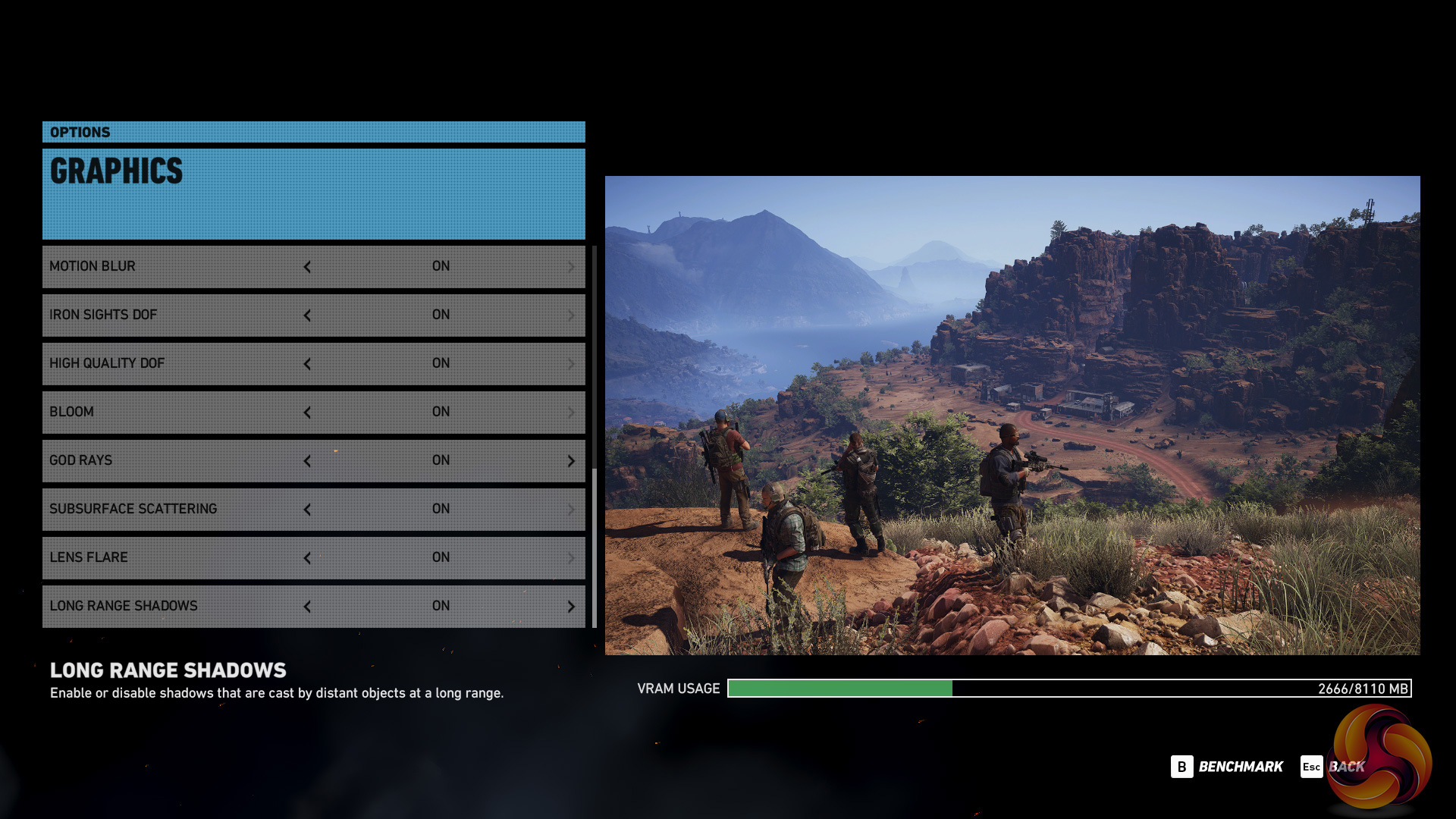
We run the built-in benchmark using the Very High quality preset at 1080P, 1440P, and 4K.
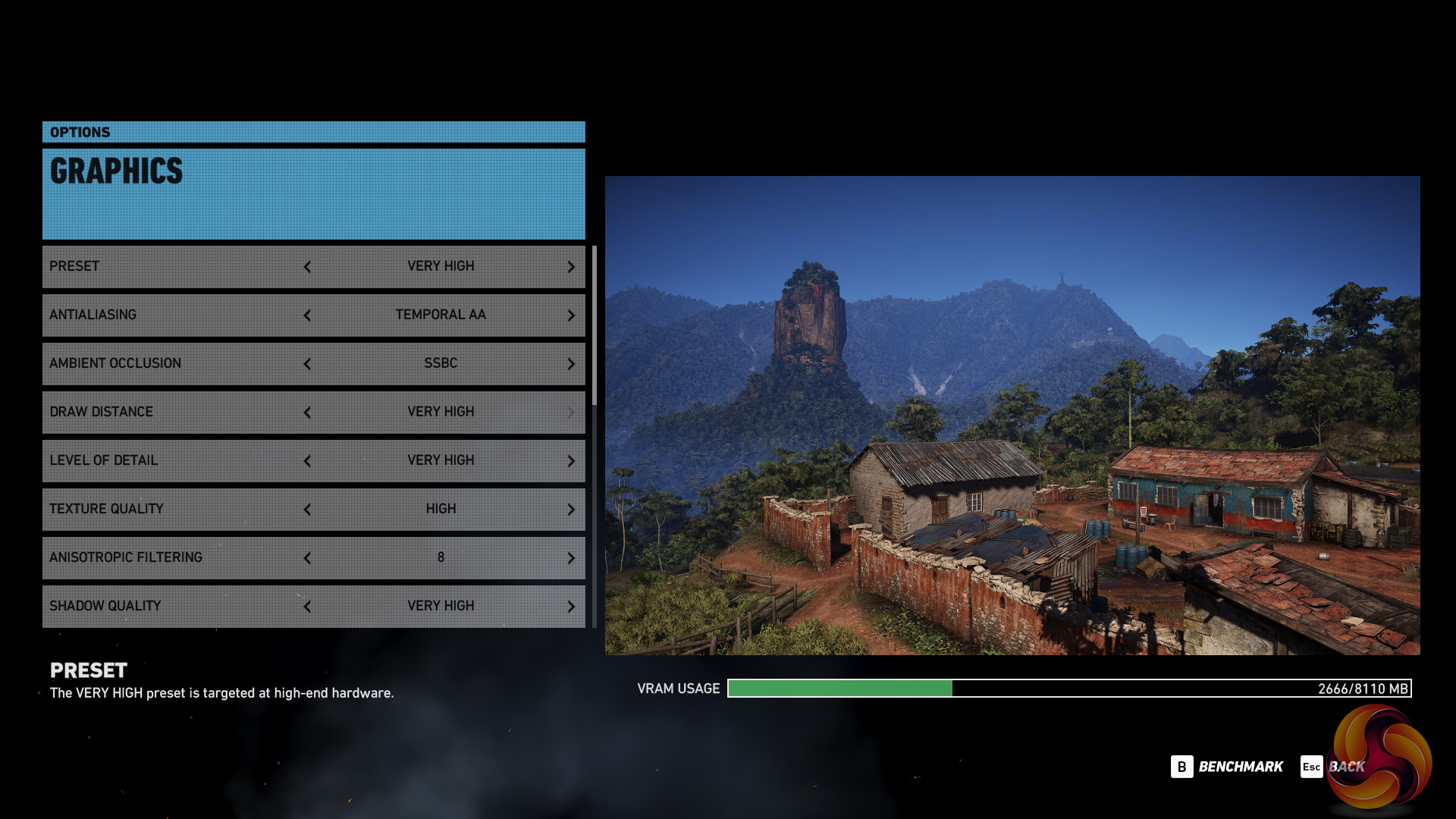
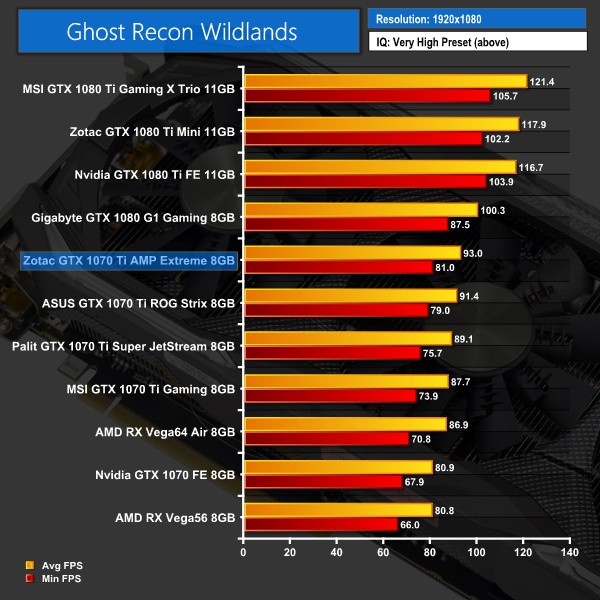
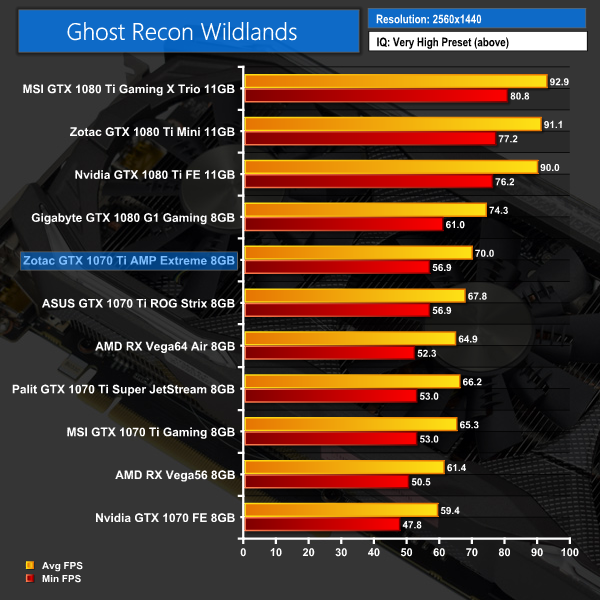
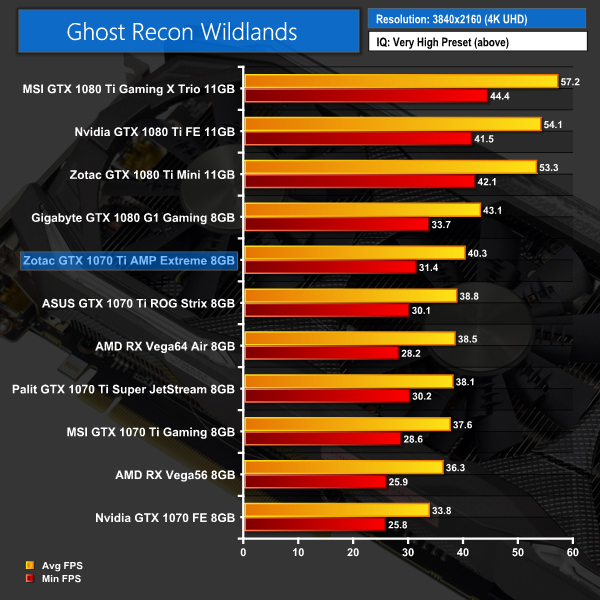
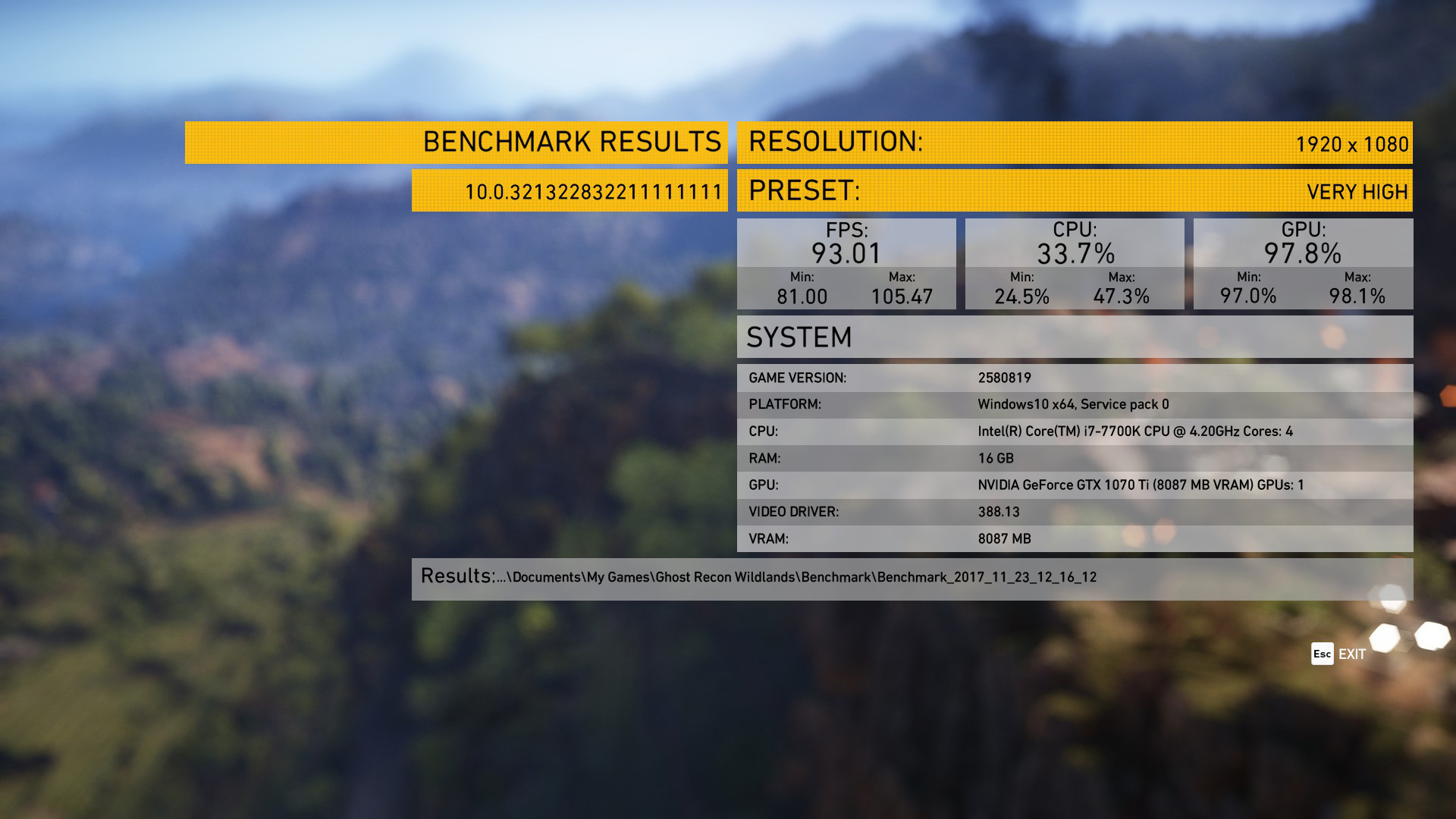
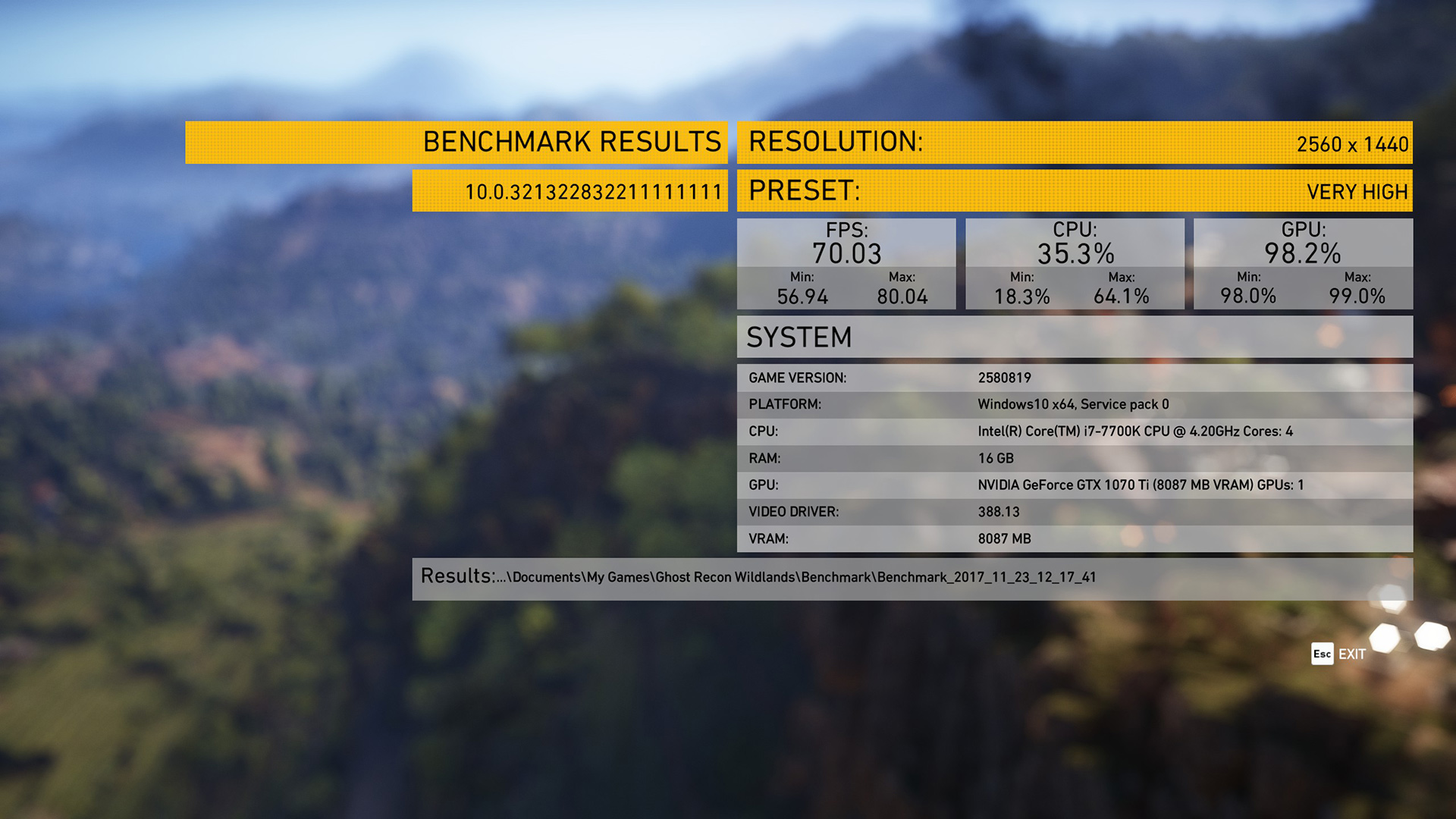
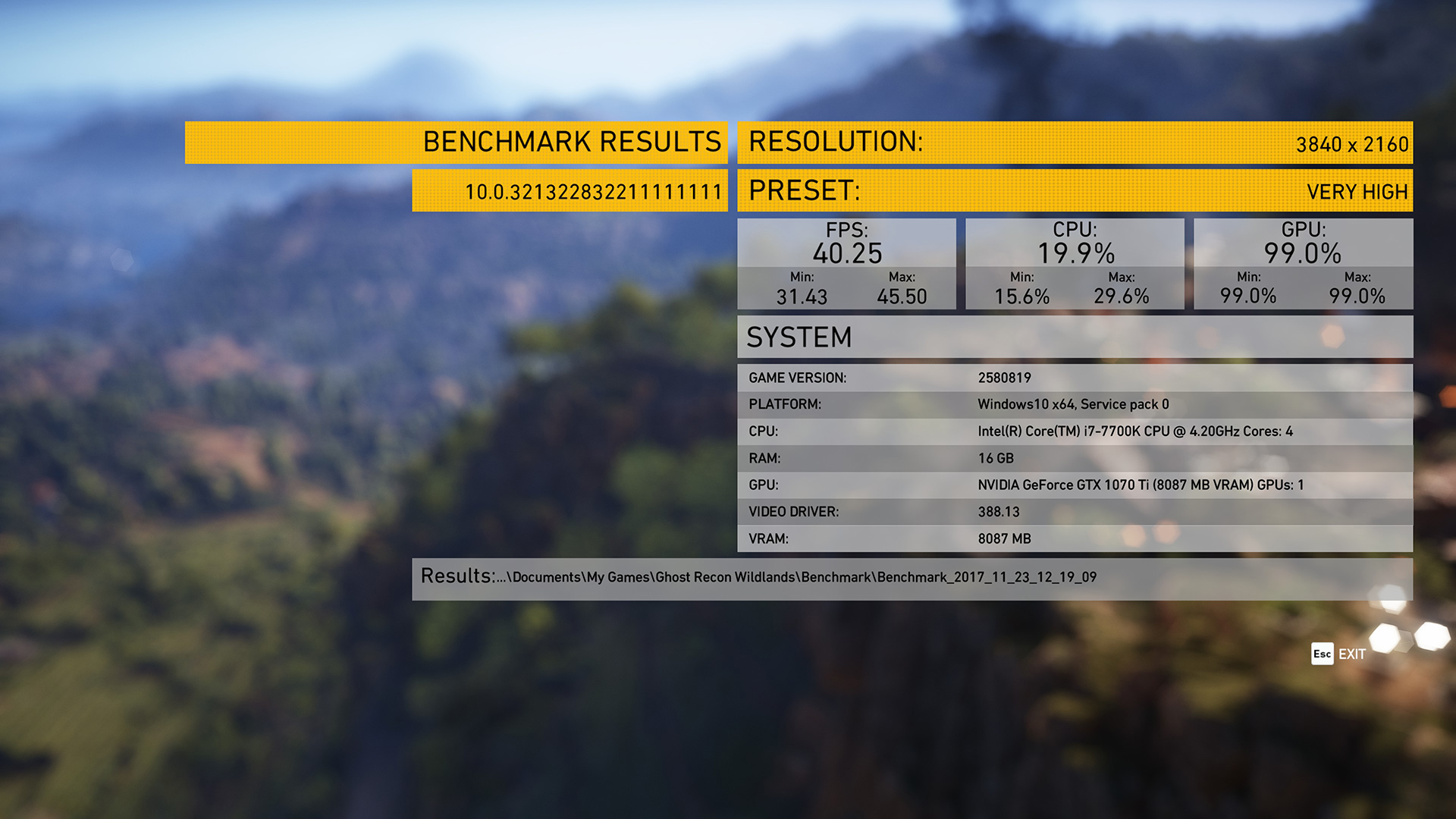
In Wildlands, however, the AMP Extreme does pull away from the pack, posting the best results of any GTX 1070 Ti so far, including an impressive 40 FPS average at 4K.Grand Theft Auto V is an action-adventure game played from either a first-person or third-person view. Players complete missions—linear scenarios with set objectives—to progress through the story. Outside of missions, players may freely roam the open world.
Composed of the San Andreas open countryside area and the fictional city of Los Santos, the world is much larger in area than earlier entries in the series. It may be fully explored after the game’s beginning without restriction, although story progress unlocks more gameplay content.
We use the Ultra quality settings (or the highest alternative – generally Very High or High – when Ultra is unavailable). MSAA is set to 2x for 1080p and 1440p and is disabled for 4K. The Advanced Graphics options are all set to their maximum levels.
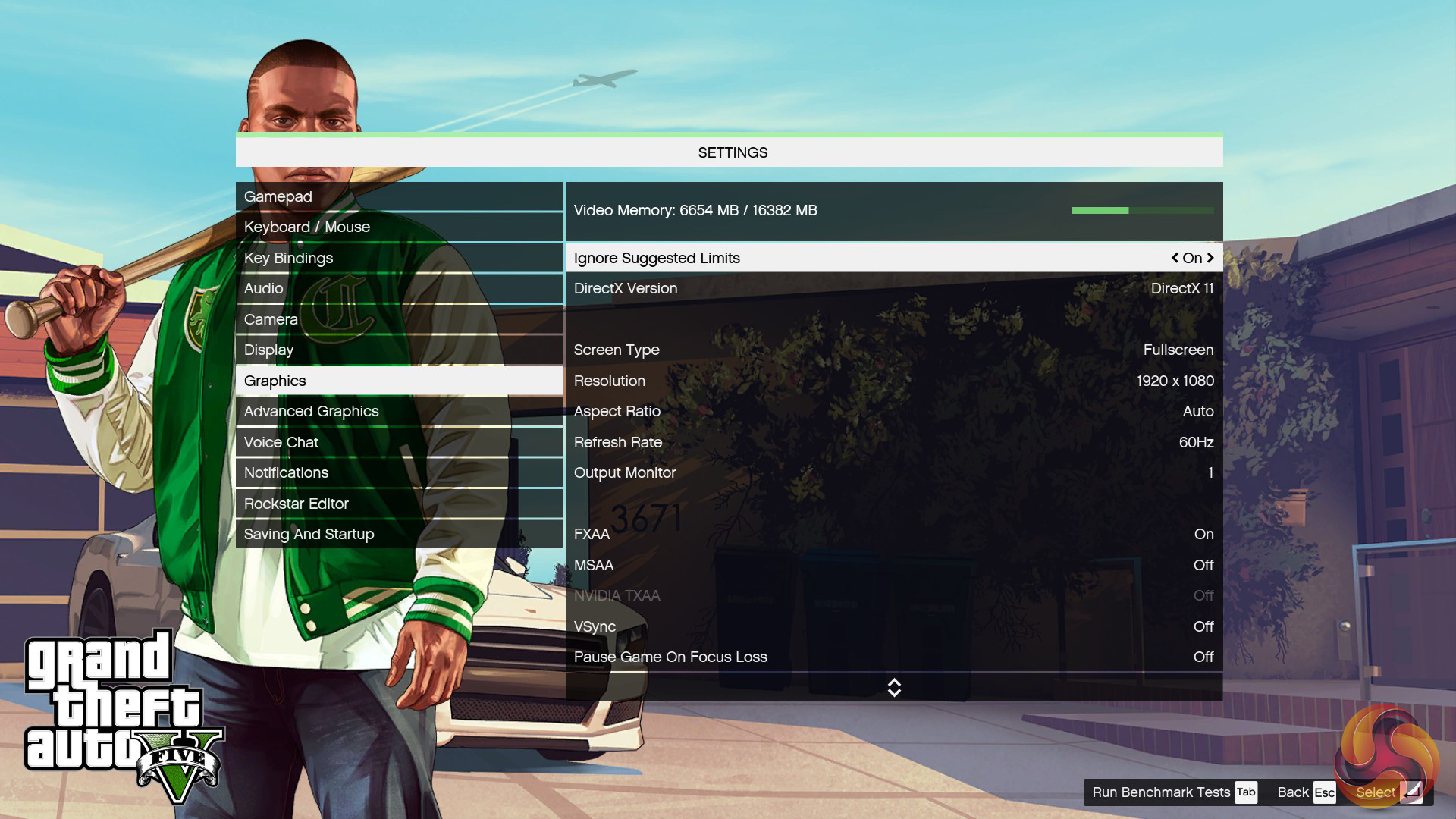
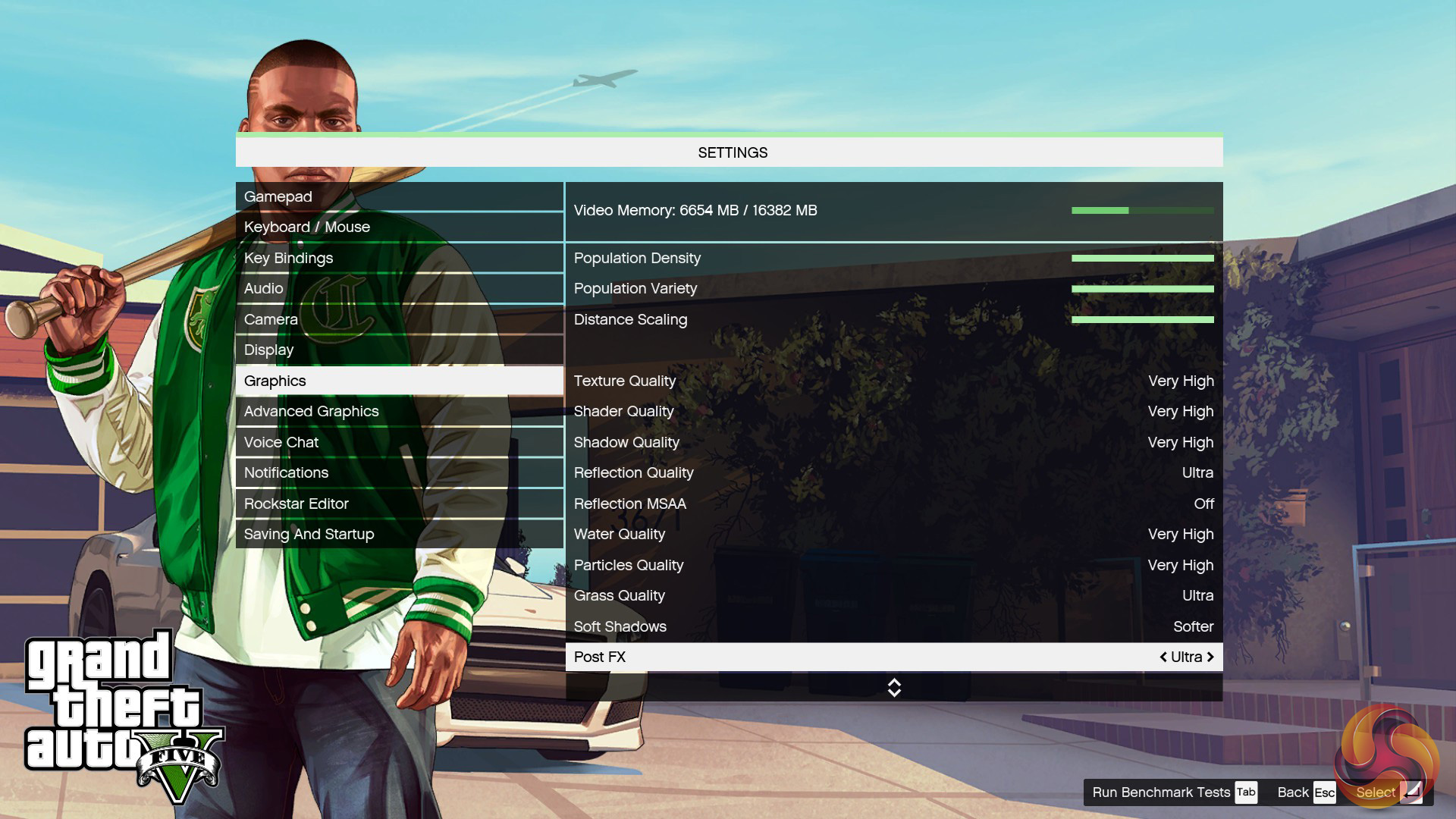
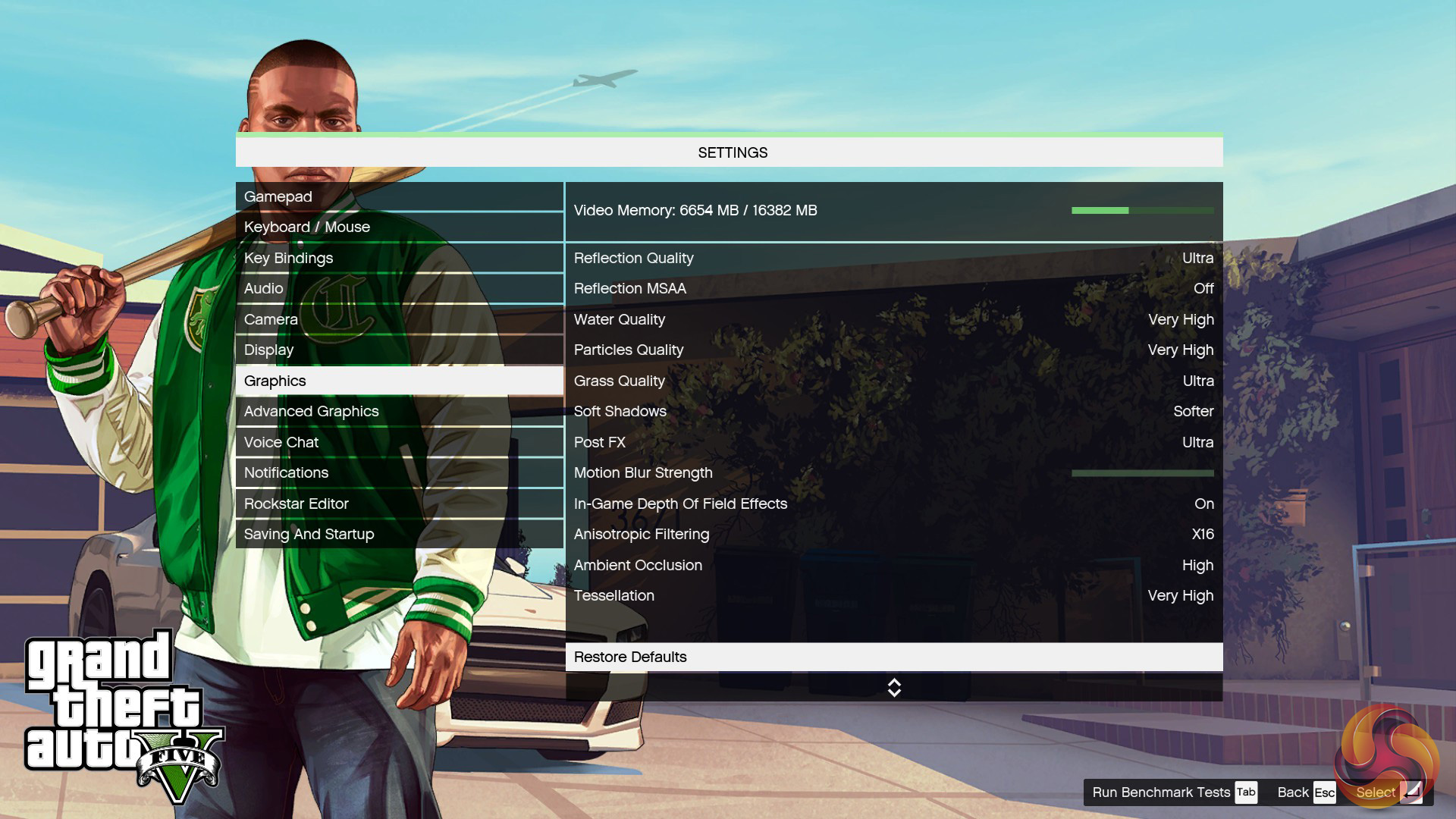
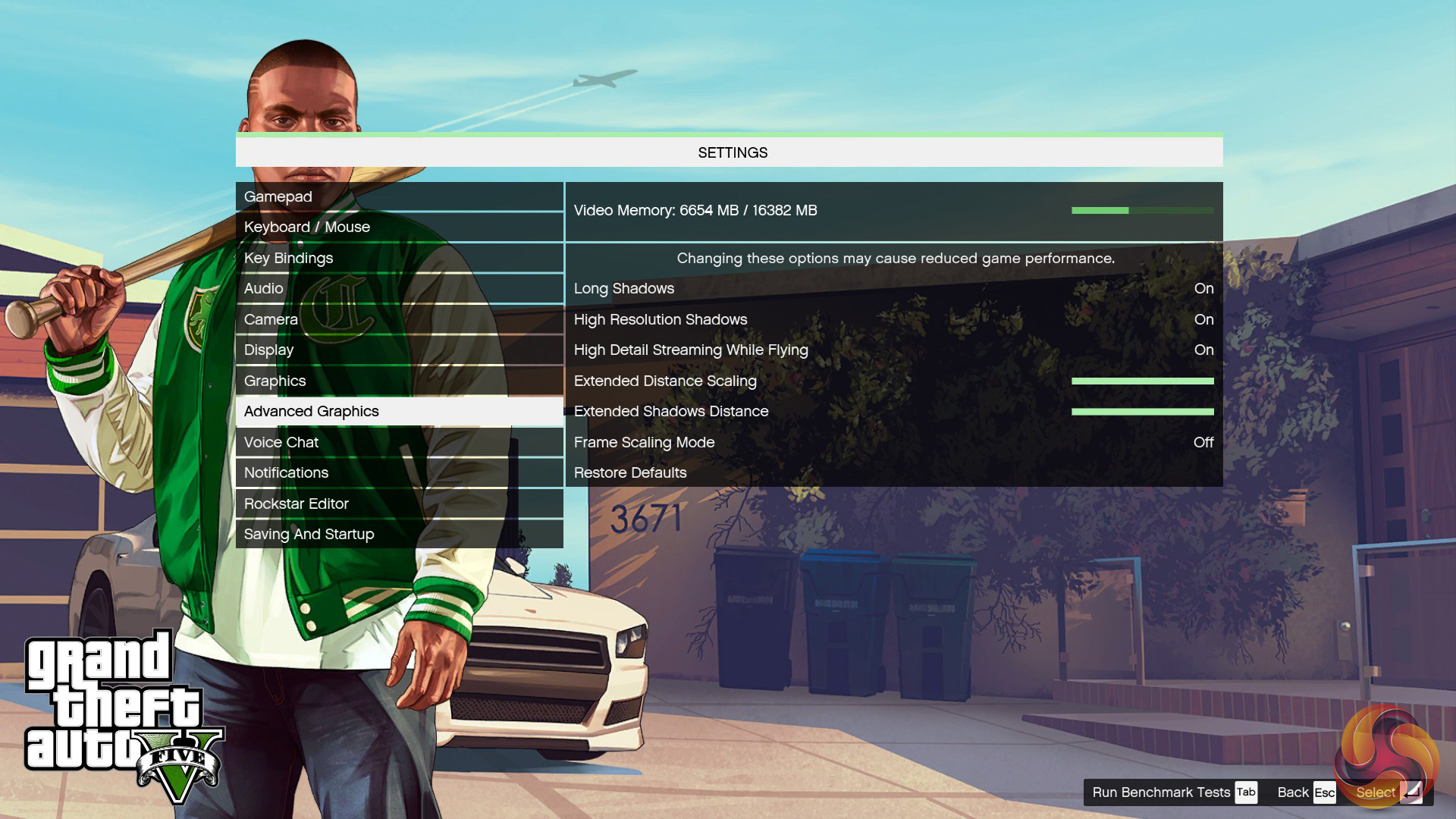
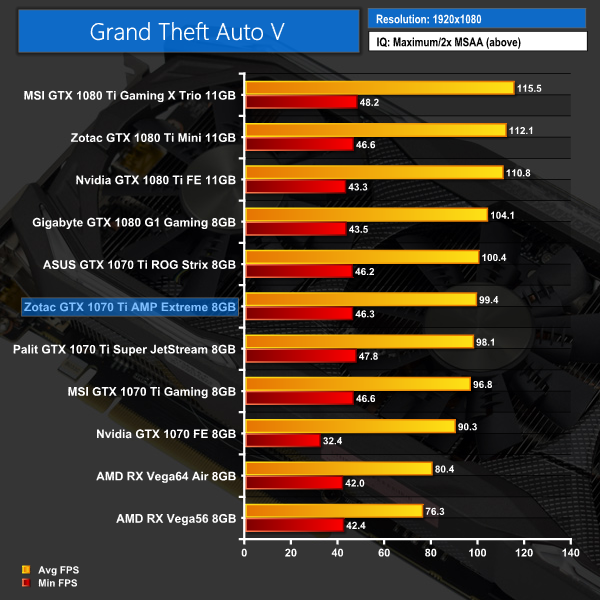
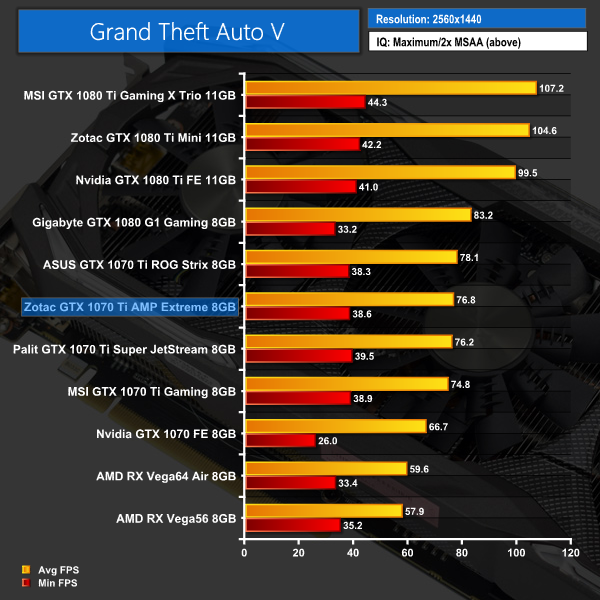
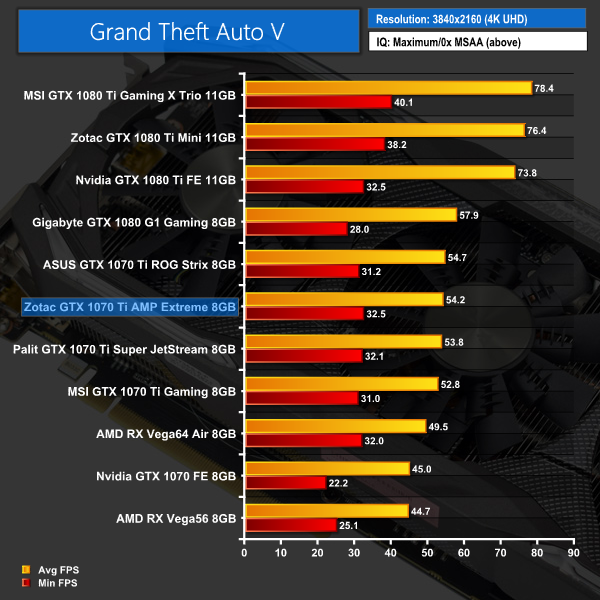
Moving on to GTA V, we again see the AMP Extreme slip behind the ROG Strix GTX 1070 Ti – not by much, admittedly, but enough for the ROG card to come out on top across all three resolutions tested.Rise of the Tomb Raider is a third-person action-adventure game that features similar gameplay found in 2013’s Tomb Raider. Players control Lara Croft through various environments, battling enemies, and completing puzzle platforming sections, while using improvised weapons and gadgets in order to progress through the story.
It uses a Direct X 12 capable engine.
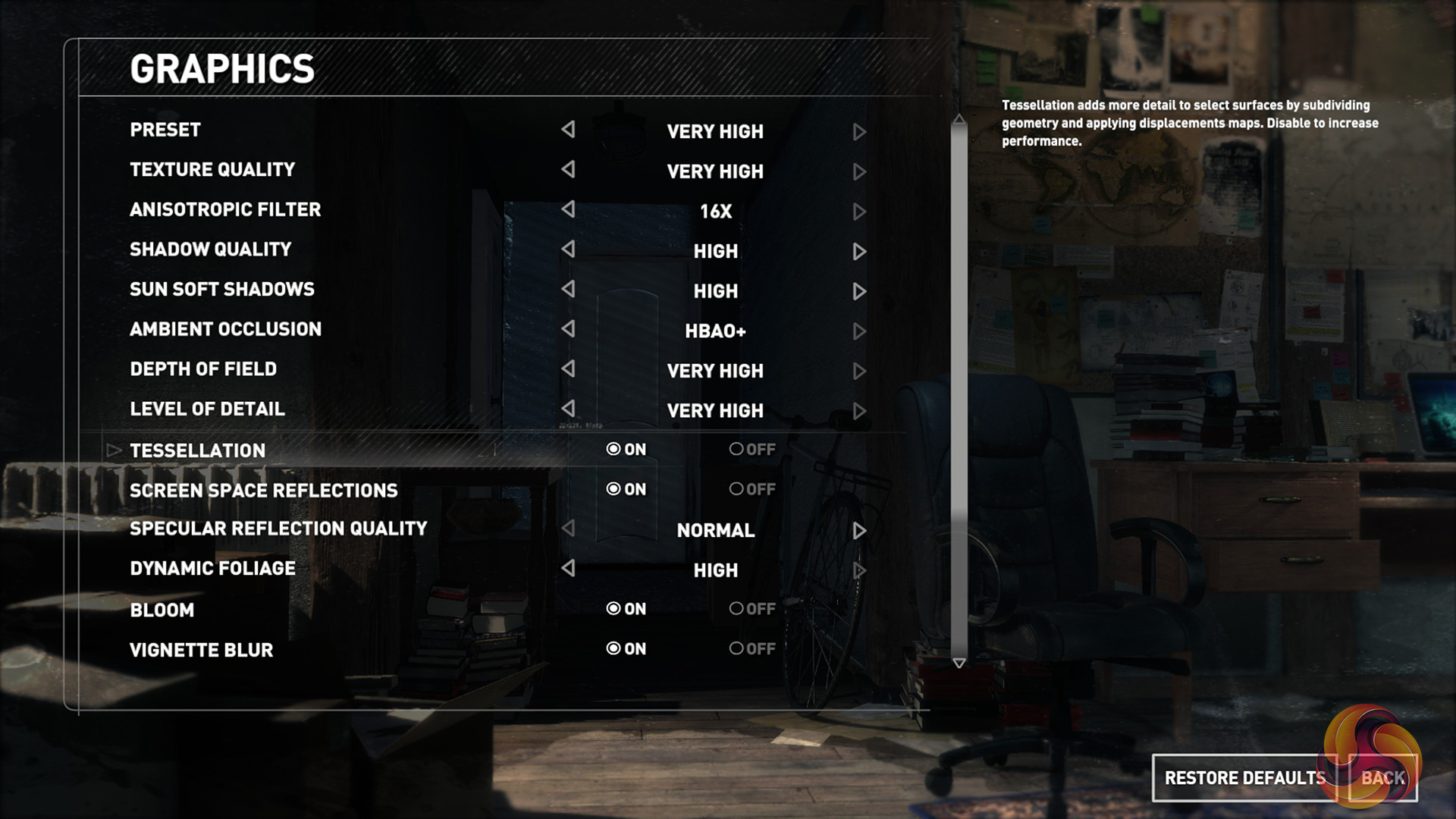
At 1080p and 1440p, we use the Very High quality preset and 2x SSAA. At 4K we use SMAA. The DirectX 12 API is used. Numbers are taken from the benchmark’s Geothermal Valley test.
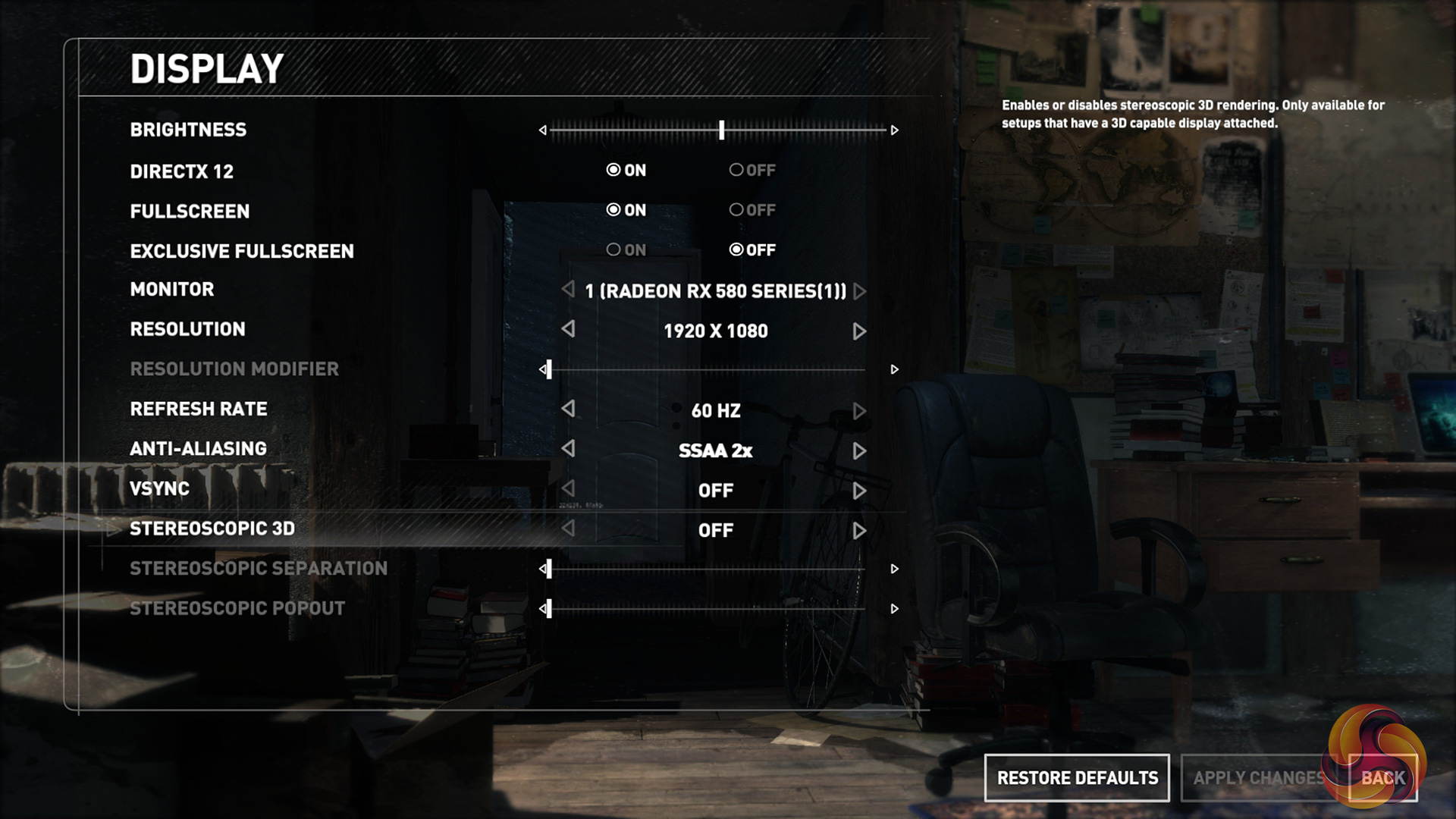
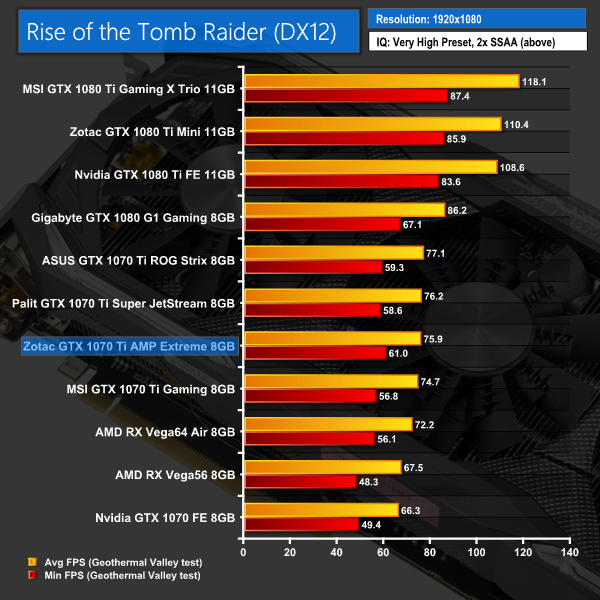
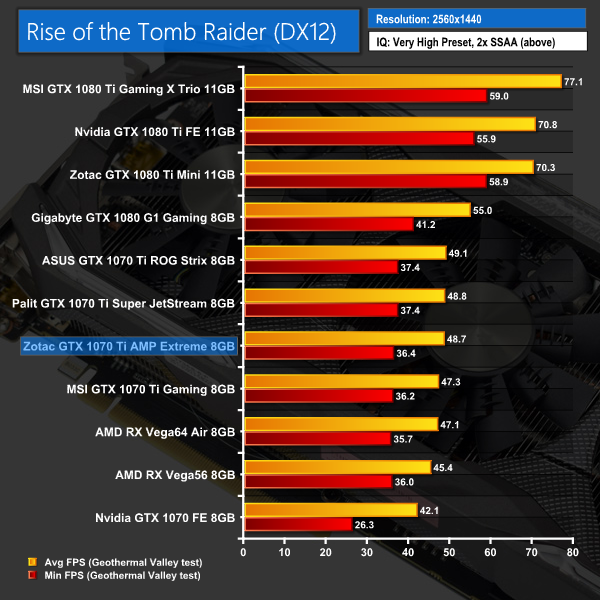
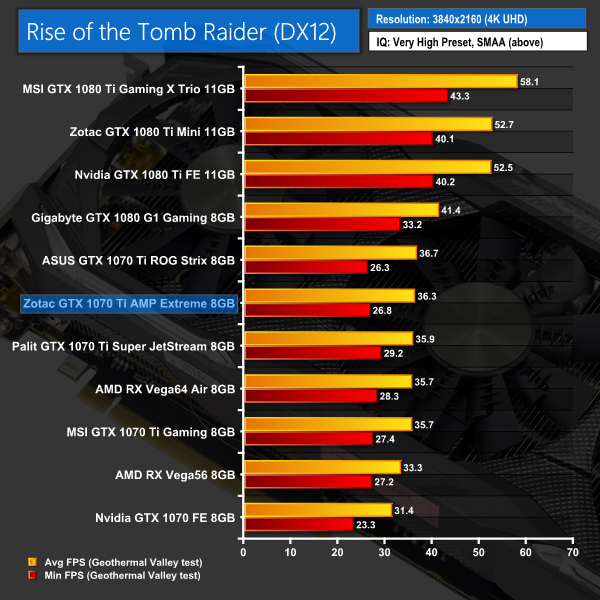
Our last game on test today, ROTTR again shows the AMP Extreme GTX 1070 Ti coming in behind the ROG Strix card, and at 4K even the Palit Super JetStream nudges ahead.We first measure system-wide power draw from the wall while the card is sat idling at the Windows 10 desktop for 5 minutes. Gaming power draw is recorded by running the Deus Ex benchmark at 4K. As a maximum stress test, Fire Strike Ultra Stress Test is run 5 consecutive times and the cards’ power draws are recorded.
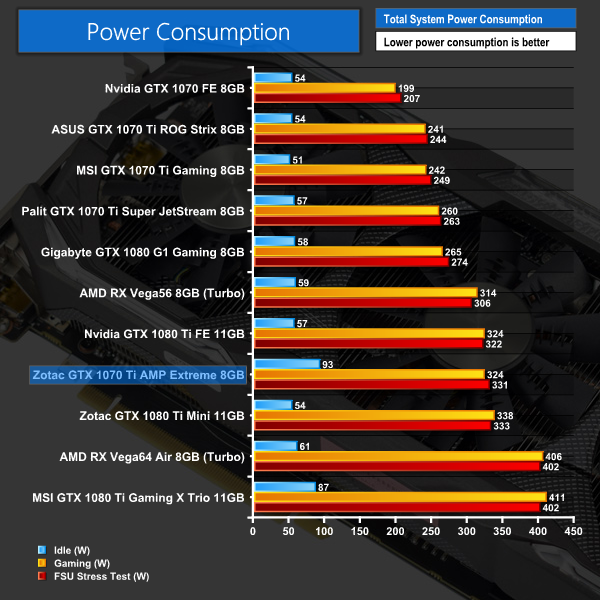
Perhaps not surprisingly, the Zotac AMP Extreme 1070 Ti draws a fair bit of power – after all, the applied overclocking settings did set the power target to 140%, the maximum value. In the above chart, you can see the card was actually drawing similar amounts of power to a GTX 1080 Ti.We first measure GPU temperature while the card is sat idling at the Windows 10 desktop for 5 minutes. Gaming GPU temperature is recorded by running the Deus Ex benchmark at 4K. As a maximum stress test, Fire Strike Ultra Stress Test is run 5 consecutive times and the cards’ GPU temperature levels are recorded.
Ambient room temperature was held at around 23°C.
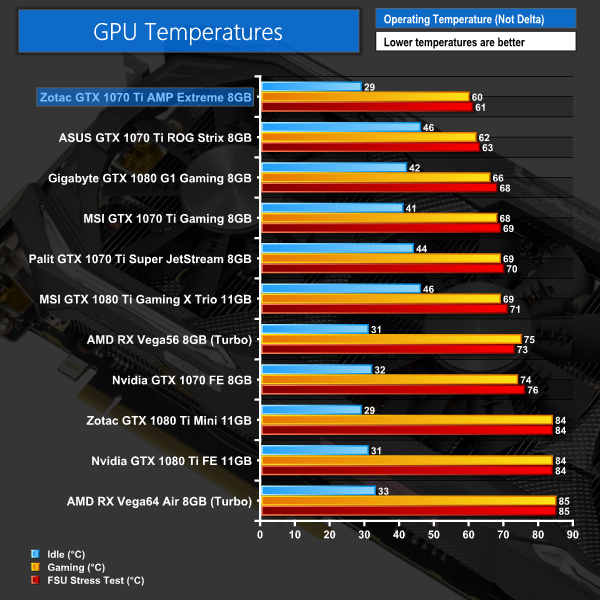
Also unsurprisingly, the AMP Extreme's thermals are excellent – I was expecting some impressive results given the card does have a massive heatsink and triple-fan cooling configuration. These results came with the power target set to 140%, too, which only makes the result even more impressive.
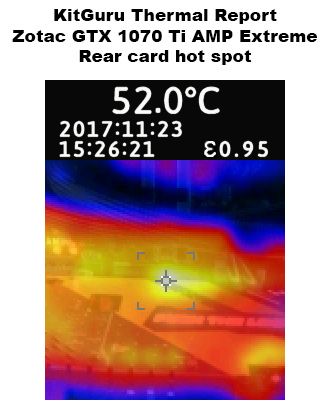
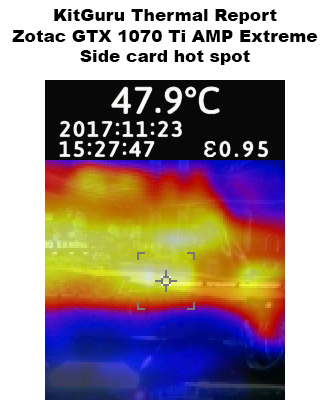
Moving onto our thermal imaging, the results are stellar here. I could not find a spot hotter than 52C on the rear of the card, while 47.9C was the peak temperature on the side of the card. This is clearly a well-engineered card, to say the least.We take our noise level measurements with the decibel meter on the top and middle section of the case, overhanging the side panel (power supply side, not motherboard tray side) by exactly 1 inch to avoid any airflow pressure coming from the exhausting AIO cooler.
I measured the sound floor to be 34 dBA, thus anything above this level can be attributed to the graphics cards. The power supply is passive for the entire power output range we tested all graphics cards in, while all CPU and system fans were disabled.
Noise levels were measured after 5 minutes under three scenarios: desktop idle, Deus Ex: Mankind Divided at 4K, and the Fire Strike Ultra stress test.
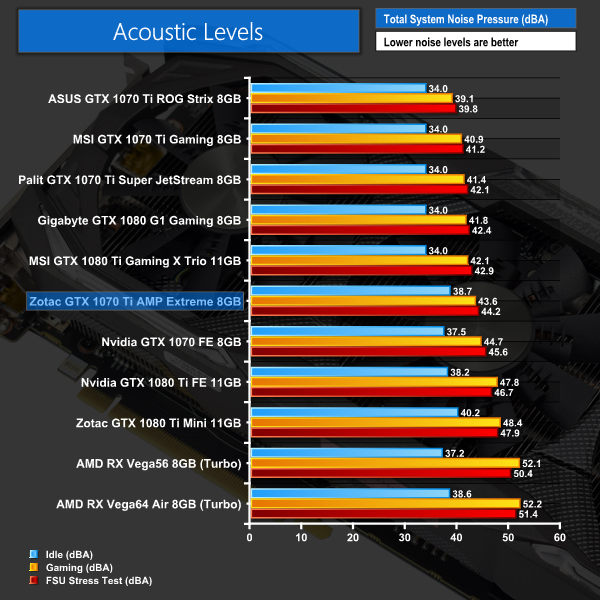
Unlike other aftermarket GTX 1070 Tis we have seen recently, this AMP Extreme does not feature a ‘zero RPM' mode where the fans stop spinning with the card under low levels of load. This means it is a bit noisier than the competition at idle.
It is also a couple of decibels louder than the other GTX 1070 Tis while under load, too, so there is clearly some trade-off between noise and thermals with this card.
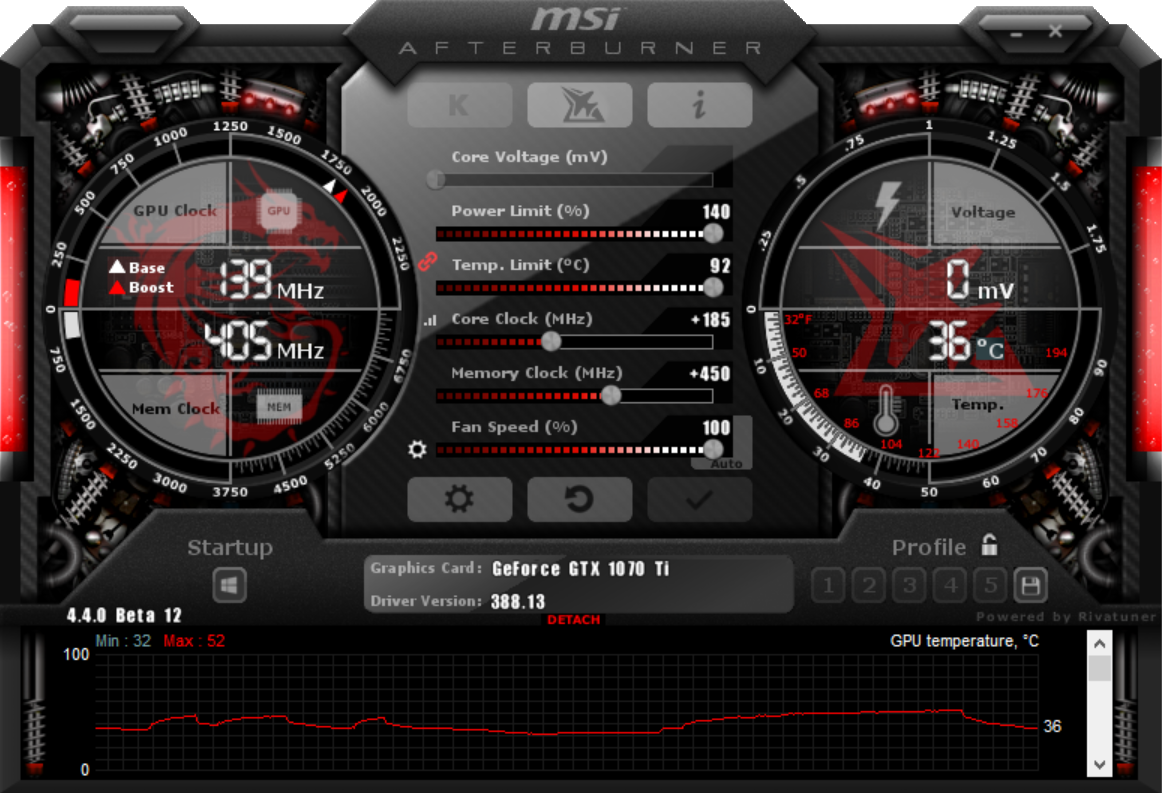
Considering Zotac's bundled OC profile is already fairly ambitious, I could not squeeze that much more out of the AMP Extreme.
So, I set the temperature and power sliders to their maximum values, added +185MHz to the GPU core (which works out as +35 on top of Zotac's OC profile), +450MHz to the memory and set fan speed to 100%.
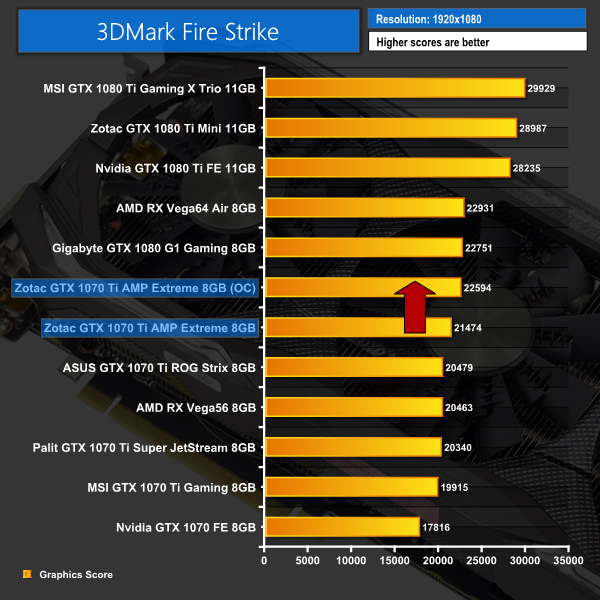
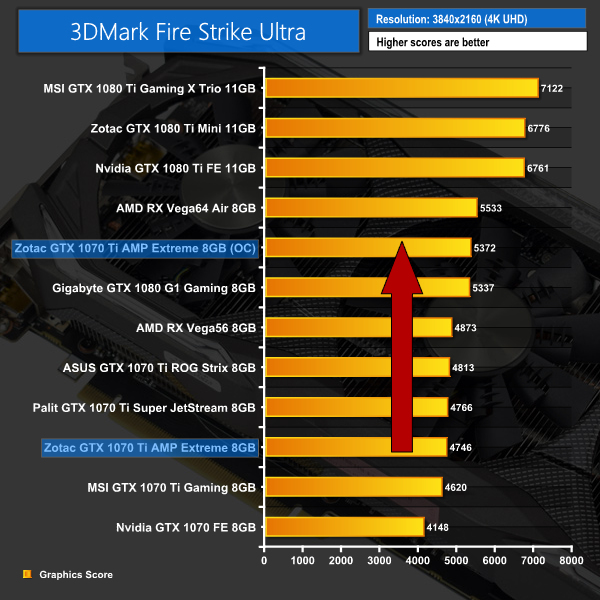
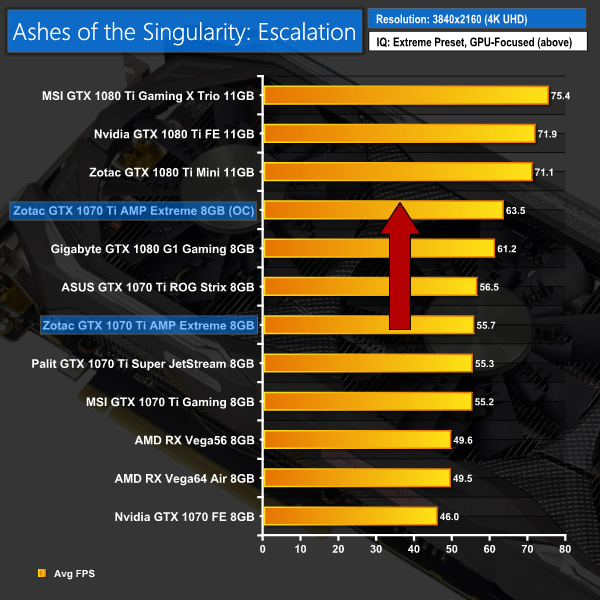
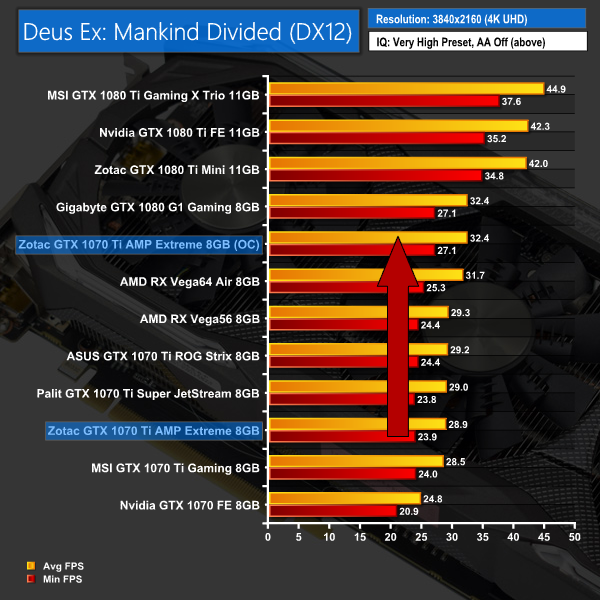
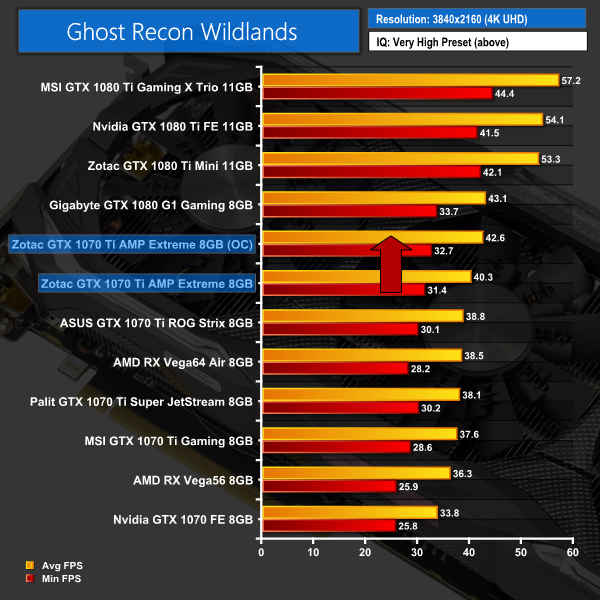
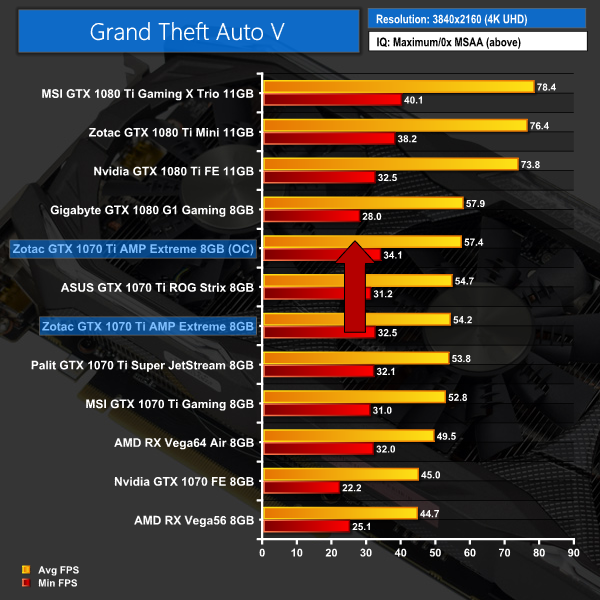
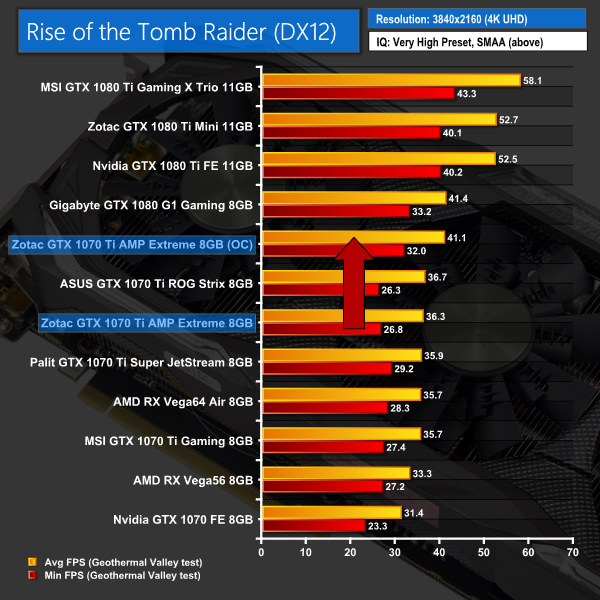
This actually brought tangible gains – in-game frequency went from its stock levels of 1860-1880MHz to around the 2050-2088MHz level. Accordingly, the frame rates rose a fair bit, bringing the AMP Extreme right up to GTX 1080-levels of performance.Having looked at three other aftermarket GTX 1070 Tis previously, we get a pretty good idea of where the Zotac GTX 1070 Ti AMP Extreme fits into this market segment.
Its biggest asset is undoubtedly the cooling performance – with a peak temperature reading of just 61C, tested in OC mode to boot, this is clearly a cool-running card.
We would expect that, though, given the sheer size of the card. It is also the loudest GTX 1070 Ti partner card we have reviewed, however, so there does seem to be a trade-off between thermals and acoustics.
Moving onto our gaming benchmarks, I was surprised to see the AMP Extreme sit behind the ASUS ROG Strix GTX 1070 Ti, despite the latter card having a less aggressive OC profile. It turns out that the AMP Extreme would sit around the 1860-1880MHz mark while gaming, when the ASUS ROG card hovered between 1900-1920MHz – all thanks to GPU Boost 3.0 technology.
I do think the ROG card is much better looking, too, thanks to its all-black aesthetic. This Zotac GTX 1070 Ti is really not my cup of tea – the yellow backplate design will limit its appeal as it won't work in systems with a different colour scheme, while the ‘push the limit' text is a bit immature. This is obviously subjective, but even so, I can't see the AMP Extreme having the same mass-market appeal due to its polarising design.
In any case, the Zotac GTX 1070 Ti AMP Extreme does have a place in the market – just not at its current price. Even with a sale price of £479.99 (with its regular price between £489.99-499.99) the card is still too close to other GTX 1080s currently available – so our advice, as it has been since GTX 1070 Ti launch day, is still to get a GTX 1080 if you have £480+ to spend on a new graphics card, or wait in the hope that GTX 1070 Ti aftermarket cards do drop to more sensible levels.

You can buy one from Overclockers UK for £479.99 HERE.
Discuss on our Facebook page, over HERE.
Pros
- Excellent thermal performance.
- Impressively over-engineered PCB.
- Solid gaming performance.
Cons
- Backplate design will be divisive.
- Loudest GTX 1070 Ti yet.
- Not quite as fast as the ASUS ROG Strix model.
KitGuru says: For those looking for the coolest GTX 1070 Ti out there, Zotac's AMP Extreme card is exactly that. If the price drops to a more sensible level, this would be a good buy.


I had a 980 ti amp omega that looked pretty similar. I could OC it a lot past the pre oc. If zotac had be able to bin these, if they didnt already on the sly, i wonder if the oc would have been improved.
The color and writting on mine was a bit much so I stuck it in a Ryzen 1500x system and sold it to a senior citizen gamer of all ppl.
It would have been nice to see it compared against some previous generation cards to see if it’s worth an upgrade or not- I use a 980Ti for example, maybe also throw in a 980 to get an actual idea if it’s a big step up…